
Lawn
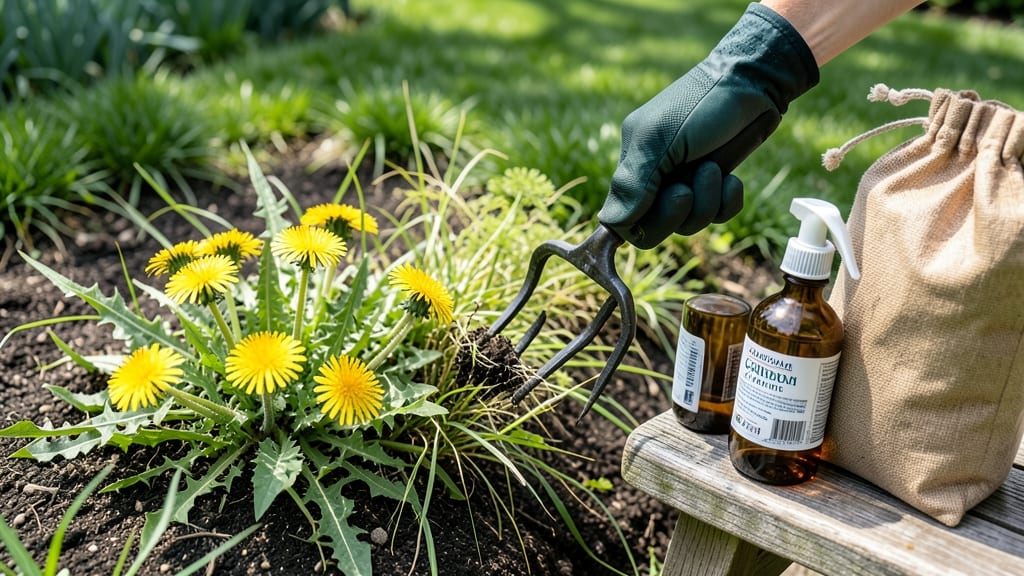
Yellow weeds in lawns aren’t just unsightly—they’re a sign your grass is fighting an uphill battle. 🌱 I’ve battled dandelions and clover for years, and the secret to a lush lawn isn’t brute force—it’s understanding why they appear in the first place.
Most homeowners reach for weed killer too soon, missing the real fixes: soil health, watering habits, and proper mowing techniques that actually work.
The root cause is usually one of three things: compacted soil that smothers grass roots, overwatering that drowns them, or nutrient imbalances that make weeds thrive while grass struggles.
My lawn transformed after I stopped watering on weekends and switched to a simple 3-spray organic method—no harsh chemicals, just targeted treatments that actually stick. The key is timing: hit weeds when they’re young and healthy, not after they’ve spread seeds everywhere.
By the end of this process, you’ll have a lawn where yellow weeds are a distant memory—not because you sprayed them into oblivion, but because your grass is finally winning the competition. The results? Denser grass, fewer weeds, and a yard that looks like it belongs in a postcard.
And the best part? You’ll spend less time pulling weeds and more time enjoying your outdoor space.
Works for any lawn type—cool-season grasses like Kentucky bluegrass or warm-season favorites like Bermuda. The method adapts to your climate, whether you’re dealing with spring dandelions or fall crabgrass. Let’s get that lawn back to green, the natural way.
Why it happens
Yellow weeds popping up in your lawn aren’t just an eyesore—they’re a sign your grass is sending out an SOS. Understanding the root causes helps you tackle the problem before it spreads. Here’s why those stubborn weeds take over, broken down by science-backed triggers.
🌱 Poor Soil Quality Starves Your Grass
Grass thrives in nutrient-rich, well-draining soil, but compacted, depleted, or acidic soil leaves gaps for weeds. Yellow weeds like dandelions and crabgrass exploit these weak spots because they’re hardier than most lawn grasses. Their deep taproots access water and nutrients your grass can’t reach.
- Compacted soil cuts off oxygen, suffocating grass roots and creating ideal conditions for weed seeds.
- Low organic matter (under 5%) means fewer microbes to break down nutrients, leaving your lawn malnourished.
- pH imbalances (below 6.0 or above 7.5) lock out essential minerals like nitrogen and phosphorus, weakening grass.
Actionable fix: Test your soil (DIY kits cost $10) and amend with compost or lime to restore balance. Aerate annually to relieve compaction.
☀️ Overwatering or Irregular Watering
Weeds like yellow nutsedge or chickweed thrive in soggy or erratic moisture levels. Overwatering washes away nutrients, while underwatering stresses grass, creating bare patches where weeds germinate. Most lawns need 1–1.5 inches of water per week—including rainfall.
- Frequent light watering keeps the topsoil damp, encouraging shallow-rooted weeds.
- Sudden drought stress weakens grass, allowing weed seeds (often dormant in soil) to sprout.
- Poor drainage creates anaerobic zones where weeds outcompete grass.
Actionable fix: Water deeply 2–3 times per week (early morning) and check for drainage issues. Install a rain gauge to monitor levels accurately.
✂️ Mowing Mistakes Create Weed Havens
Cutting your grass too short (below 2.5 inches) exposes soil to sunlight, encouraging weed seeds to germinate. Conversely, leaving grass too tall can smother it, reducing its competitive edge. Even uneven mowing (e.g., scalping corners) creates stress points for weeds.
- Short mowing weakens grass roots and increases soil temperature, speeding up weed growth.
- Dull mower blades tear grass instead of cleanly cutting it, inviting disease and weed invasion.
- Skipping mowing seasons (e.g., letting grass grow wild in spring) gives weeds a head start.
Actionable fix: Mow at 3–4 inches in height, keep blades sharp, and never remove more than ⅓ of the grass blade at once.
🧪 Chemical Imbalance from Fertilizers or Herbicides
Over-fertilizing—especially with high-nitrogen, low-potassium blends—can burn grass roots, creating gaps for weeds. Worse, some herbicides (like pre-emergents) kill weeds but also suppress grass, leaving your lawn vulnerable. Even salt buildup from ice melt or poor water can stress grass.
- Excessive nitrogen promotes rapid (but weak) grass growth, followed by die-off and weed takeover.
- Herbicide residue can linger for months, preventing grass from recovering.
- Improper timing (e.g., fertilizing in extreme heat) shocks grass roots.
Actionable fix: Use a slow-release, balanced fertilizer (e.g., 16-4-8 ratio) and avoid herbicides unless targeting specific weeds. Always follow label instructions.
🌍 Seasonal Timing and Seed Dormancy
Many yellow weeds (like henbit or plantain) lie dormant in soil as seeds for years until conditions are perfect. Cool, wet springs or late-summer heat triggers their germination. If your lawn was stressed last year, those seeds may now be sprouting en masse.
- Spring flush (March–May) is prime time for weeds to outpace recovering grass.
- Fall seeding (if done improperly) can introduce weed seeds mixed with grass seed.
- Disturbances (e.g., aeration, construction) expose buried weed seeds to light.
Actionable fix: Pre-emergent herbicides applied in early spring (before weeds sprout) can block 80% of seed germination. For organic control, hand-pull weeds before they seed.
Quick Fixes for Unwanted Lawn Invaders
Yellow weeds popping up in your lawn can feel like an unwelcome party crashing your green oasis—but don’t panic! The right approach depends on why they’re showing up. Below, we’ve mapped the most common causes to practical, step-by-step solutions, plus tips to keep your lawn lush and weed-free long-term.
Grab your gloves, and let’s reclaim that grass! 🌱✨
If your lawn stays soggy or waterlogged, yellow weeds like nutgrass or sedges thrive in the damp conditions. Here’s how to dry them out:
💦 Step 1: Improve Drainage
- Test your soil: Dig a small hole (6 inches deep). If water pools after 30 minutes, drainage is poor.
- Aerate your lawn: Rent a core aerator (or hire a pro) to create holes for water and air to flow freely. Do this in early fall or spring when grass is actively growing.
- Add organic matter: Mix in 2–3 inches of compost or sand (if your soil is clay-heavy) to loosen compacted areas.
🌡️ Step 2: Adjust Watering Habits
- Water deeply but less often: Aim for 1–1.5 inches per week (including rain). Use a rain gauge or tuna can to measure.
- Water in the morning: Early AM (before 10 AM) reduces evaporation and fungal risks.
- Fix sprinkler issues: Check for overlapping zones or misaligned heads—uneven watering stresses grass and invites weeds.
💡 Pro Tip:
If your yard has low spots, consider grading (slightly sloping soil away from the house) or installing French drains for chronic water pooling. 🌊
Dormant or thinning grass leaves gaps for weeds like crabgrass to move in. Shade-loving weeds (e.g., clover) may also take over if your lawn is struggling.
🌿 Step 1: Choose the Right Grass Seed
- For sunny areas: Opt for tall fescue, Bermuda, or zoysia—they handle heat better.
- For shady spots: Plant fine fescue or creeping bentgrass.
- Overseed in fall: Spread high-quality seed (like Kentucky bluegrass) when temps are cool (60–75°F).
💧 Step 2: Hydrate and Protect
- Water deeply 2–3x/week during droughts (check soil moisture—top 2–3 inches should stay damp).
- Mulch new seed: Use straw or peat moss to retain moisture and block weeds from sprouting.
- Apply a pre-emergent (like pendimethalin) in early spring to stop crabgrass before it starts.
🎯 Prevention Hack:
Install drip irrigation or soaker hoses for slow, deep watering—it’s more efficient than sprinklers and keeps weeds at bay. 🚿
Weeds like dandelions and chickweed love thin, nutrient-poor soil. A simple soil test (available at garden centers) reveals what’s missing.
📊 Step 1: Test and Amend Soil
- pH check: Ideal range for most lawns is 6.0–7.0. Use lime to raise pH or sulfur to lower it.
- Fertilize smartly:
- Spring: Use a high-nitrogen fertilizer (like 24-0-6) to boost growth.
- Fall: Switch to a slow-release, balanced fertilizer (e.g., 10-10-10) to strengthen roots.
🍽️ Step 2: Natural Weed Suppression
- Top-dress with compost: Spread ¼-inch of compost over bare spots to crowd out weeds.
- Use corn gluten meal: A natural pre-emergent (apply in early spring), it also adds nitrogen as it breaks down.
✨ Bonus:
Try vinegar spray (1 gallon vinegar + 1 oz dish soap) for spot treatment on stubborn weeds—but avoid if you plan to overseed soon. 🍶
For stubborn weeds, targeted herbicides work best. Never spray randomly—follow these rules:
🍳 Step 1: Pick the Right Herbicide
| Weed Type | Best Treatment | When to Apply |
|---|---|---|
| Broadleaf weeds (dandelions, clover) | 2,4-D or triclopyr (selective herbicides) | Spring or fall |
| Grassy weeds (crabgrass, nutgrass) | Dicamba or mesotrione | Pre-emergent (spring) |
| Perennial weeds (quackgrass, bindweed) | Glyphosate (non-selective) + follow-up | Late summer/early fall |
👨🍳 Step 2: Apply Safely
- Spot-treat first: Test a small area to ensure grass survives.
- Water after spraying (if not using a systemic herbicide) to help absorption.
- Reapply as needed: Some weeds (like nutgrass) may need 2–3 treatments.
⏰ Timing Matters:
Best time to spray: Early morning or late afternoon to avoid burning grass in direct sun. 🌅
Stop weeds before they start with these low-maintenance habits:
- Mow high: Set your lawnmower to 3–4 inches—taller grass shades out weeds.
- Leave grass clippings: They return nutrients and act as a natural mulch. ✂️
- Pull weeds early: Remove them before they seed (even a few dandelions produce thousands of seeds!).
- Encourage thick grass: A dense lawn crowds out weeds—aim for 70–80% coverage.
With these fixes, your lawn will go from yellow and weedy to lush and green in no time. Which solution will you try first? 🚀
Frequently asked questions
Why do yellow weeds appear in patches instead of everywhere?
Yellow weeds like dandelions and chickweed target weak spots in your lawn. They thrive where grass is thin, compacted, or nutrient-deficient. These patches often form where foot traffic compacts soil, after aeration exposes bare spots, or when grass struggles due to poor drainage or mowing habits. Think of weeds as nature's way of filling gaps your lawn can't handle alone.
Can I just pull yellow weeds by hand and call it good?
Pulling weeds helps, but it's only part of the solution. The real fix tackles the root causes: compacted soil, poor drainage, or nutrient deficiencies. Without addressing these, pulled weeds will be replaced by new ones. Combine hand-pulling with soil testing, proper watering (1–1.5 inches per week), and overseeding to create a thick grass barrier that crowds out weeds naturally.
What's the fastest way to stop yellow weeds from spreading?
For immediate results, apply a selective herbicide like 2,4-D for broadleaf weeds or pre-emergent in early spring to block crabgrass. But for long-term success, focus on grass health: mow at 3–4 inches, water deeply 2–3 times per week, and overseed bare patches. This creates a dense turf that outcompetes weeds faster than chemicals alone.
Will vinegar really kill yellow weeds without harming grass?
Vinegar works as a spot treatment, but it's not grass-friendly. The acetic acid burns both weeds and grass, so only use it on driveways or sidewalks. For lawns, try corn gluten meal (natural pre-emergent) or targeted herbicides. The safest organic approach is improving soil health—thick grass naturally resists weeds better than any spray ever will.
How often should I check my lawn for new yellow weeds?
Spot-check your lawn every 2 weeks during growing seasons (spring/fall) and monthly in winter. Early detection is key—weeds spread fastest when they're young. Set a reminder for early spring (before weeds sprout) to apply pre-emergent or overseed. Regular walks also help you catch drainage issues or compaction before they become weed magnets.