
Watering
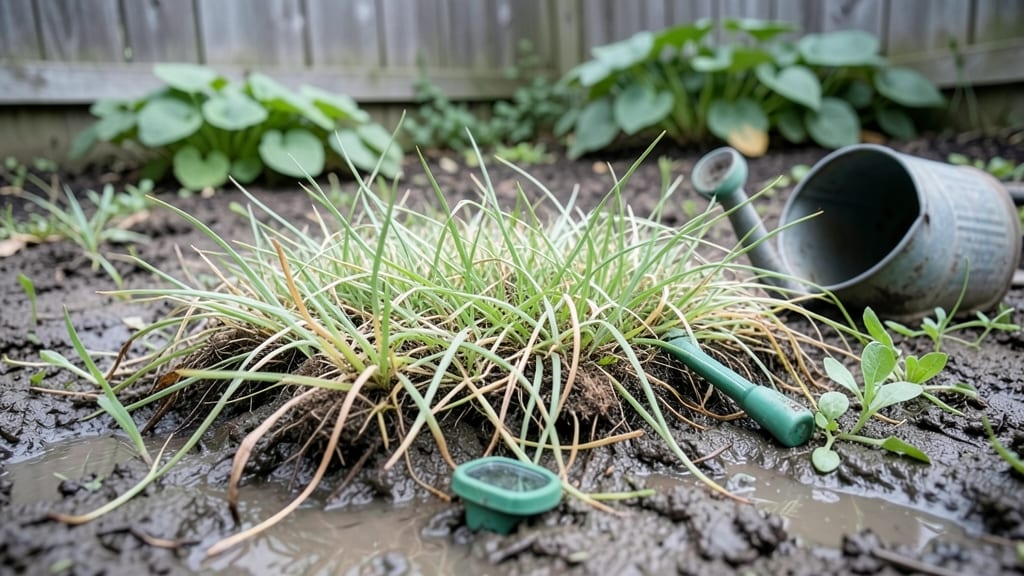
Overwatering grass is a surprisingly common mistake that causes yellowing, fungal infections, and root suffocation. Excess moisture blocks oxygen flow to roots, weakens the turf structure, and creates ideal conditions for pests like grubs. To fix it, water only 1-1.5 inches per week (including rainfall) and always check for proper drainage first.
Too much water creates a suffocating environment for grass roots, starving them of the oxygen they need to thrive. 🌱 When soil stays soggy for too long, beneficial microbes die off and harmful pathogens like brown patch fungus take over.
I've seen firsthand how overwatered lawns develop a spongy feel—this happens when waterlogged soil compacts and prevents proper root expansion. The key is balancing moisture without drowning the roots, which means adjusting your watering schedule based on rainfall and soil type.
Even well-drained soils can become saturated if watered too frequently. Warm-season grasses like Bermuda recover faster than cool-season types like Kentucky bluegrass when overwatered, but all varieties suffer from prolonged moisture stress.
The good news? With proper aeration and reduced watering, most lawns bounce back within 4-6 weeks—just give the roots time to breathe again.
💡 In This Article
- How Overwatering Damages Grass Roots and Soil
- Grass Recovery Steps After Overwatering
How overwatering damages grass roots and soil
When grass gets too much water, the roots suffocate because excess moisture displaces the oxygen they need to absorb nutrients and grow. This creates anaerobic conditions where roots can't respire properly, leading to a condition called root rot.
You'll notice this when your lawn develops a mushy texture underfoot—it's literally drowning. The roots turn brown and die back, while the above-ground blades yellow because they're no longer getting the water and nutrients they need from compromised roots. 💧
Excess water also washes away essential nutrients like nitrogen and potassium through a process called leaching. These nutrients are vital for grass health, and when they're flushed out, the turf becomes weak and more susceptible to disease.
Clay soils hold water longer, making them particularly prone to this problem, while sandy soils drain faster but can still suffer if watered too frequently. The ideal soil moisture should feel like a damp sponge—not dripping wet or bone dry.
Overwatering creates the perfect breeding ground for fungal diseases like brown patch and dollar spot. These pathogens thrive in wet conditions, forming circular patches of dead grass that spread rapidly.
The brown patch fungus, for example, produces a web-like growth on grass blades in humid weather, while dollar spot creates small, straw-colored circles with purplish margins. Both diseases weaken the grass's immune system, making recovery even more difficult. 🍄
Another hidden consequence is thatch buildup, which happens when excess moisture slows down microbial decomposition of organic matter in the soil. Normally, beneficial microbes break down thatch naturally, but overwatering disrupts this balance.
Thatch layers thicker than ½ inch block water, air, and nutrients from reaching the roots, creating a vicious cycle. You can often see this as a spongy layer between the soil and grass blades when you dig a small sample.
Soil compaction is another silent killer caused by overwatering. Wet soil particles stick together and become dense when walked on or mowed, reducing pore space for air and water movement. Compacted soil can cut root growth by up to 50%, making the lawn more vulnerable to drought and disease.
The fix? Aeration with a core aerator to pull out small soil plugs and restore proper air flow. This simple step can make a world of difference for stressed turf. ⚡
What most people don't realize is that even rainfall counts toward your weekly watering total. If you're adding irrigation on top of 1-1.5 inches of natural precipitation, you're likely overdoing it. Always check soil moisture by digging down 3-4 inches—if it's damp, hold off on watering.
This small habit can prevent weeks of lawn damage and save hundreds of gallons of water annually. 💡