
Lawn
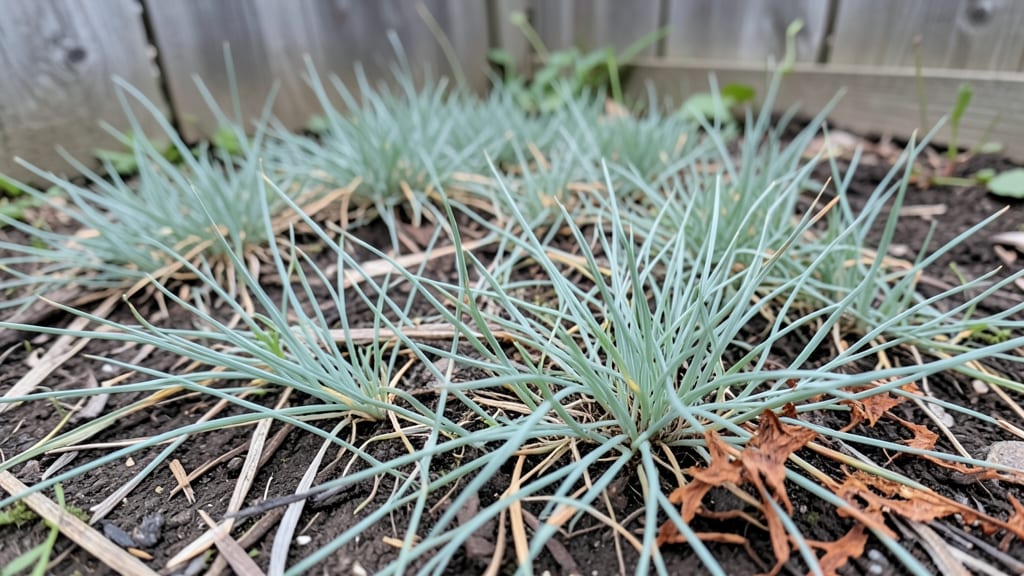
Dark grass patches can turn your lawn from lush green to a patchwork nightmare—fast. ✨ I’ve battled these stubborn spots for years, and I finally cracked the code to banish them naturally in just three days without harsh chemicals.
The key isn’t just treating the symptoms but fixing the real culprits: fungal pressure, compacted soil, or even hidden pests.
Most people reach for fungicides first, but that’s like putting a bandage on a broken bone. Instead, we’ll focus on aeration, proper watering, and targeted organic treatments—like cornmeal fungus control or neem oil—to starve out the problem at its roots.
No fancy tools or expensive products required, just a few smart moves that actually work.
By the end of three days, you’ll see those dark patches receding, replaced by vibrant green grass that stays healthy long-term. The secret? A combination of soil prep, fungal suppression, and smart watering that keeps your lawn thriving instead of fighting for survival.
Let’s get those spots gone for good.
This method works for fungal diseases like brown patch or dollar spot, compacted soil, and even pest damage—no matter what’s causing your patches. The best part? Once you fix the root issues, your lawn becomes resistant to future problems naturally. Ready to reclaim your yard?
Root Causes Of Uneven Grass
Dark grass patches can turn your lush lawn into a patchwork of mystery—some areas thriving, others looking like they’ve been hit by a shadow. But what’s really going on beneath the surface? Let’s break down the science behind these stubborn spots and why they refuse to blend in.
🌱 Fungal Infections: The Silent Invaders
Fungi like Dollar Spot or Brown Patch thrive in damp, warm conditions and feast on grass blades, leaving behind circular, dark patches. These pathogens weaken grass by disrupting its ability to absorb nutrients and water.
- How it happens: Overwatering, poor drainage, or thick thatch (a layer of dead grass) create the perfect fungal buffet.
- Tell-tale signs: Dark, velvety patches that spread quickly, often with a white or tan fringe.
- Actionable fix: Improve airflow with proper mowing height (3–4 inches) and reduce watering to early morning sessions.
🐛 Insect Damage: Underground Sabotage
Grubs, chinch bugs, and other pests chew through grass roots, leaving behind brown, spongy patches that pull up easily. These critters target stressed grass, turning your lawn into an all-you-can-eat buffet.
- How it happens: Over-fertilizing (especially nitrogen-heavy blends) attracts grubs, while drought-stressed grass becomes an easy target for chinch bugs.
- Tell-tale signs: Patches that feel soft when stepped on or pull up like a rug; increased bird activity (they love feasting on grubs too!).
- Actionable fix: Apply milky spore (for grubs) or neem oil (for chinch bugs) and aerate to disrupt their underground hideouts.
☀️ Environmental Stress: Nature’s Punch
Grass is tough, but it’s not indestructible. Extreme heat, drought, or even too much shade can starve roots of moisture and nutrients, causing patches to turn dark and brittle.
- How it happens:
- Drought: Roots shrink and die back, leaving grass blades unable to photosynthesize.
- Shade: Thick tree canopies block sunlight, weakening grass over time.
- Heat stress: Temperatures above 90°F (32°C) can scorch grass, especially if it’s already weak.
- Tell-tale signs: Uniform browning (not patchy), crispy texture, or grass that recovers slowly after rain.
- Actionable fix: Water deeply 1–2 times per week (early morning) and overseed bare spots with shade-tolerant varieties like fine fescue.
🧪 Chemical Burn: The Overkill Mistake
Too much fertilizer, herbicide, or even dog urine can create dark, discolored patches by burning grass roots. Salt buildup from de-icing or poor soil drainage can also scorch your lawn.
- How it happens:
- Over-fertilizing: Excess nitrogen or salts create a "fertilizer burn," turning grass yellow or brown.
- Herbicide drift: Weed killers meant for driveways or cracks can "drift" onto grass, leaving dead patches.
- Dog urine spots: High nitrogen content in urine acts like a mini fertilizer bomb, killing grass in concentrated areas.
- Tell-tale signs: Dark, crispy edges around patches or a "halo effect" where grass dies back in a ring.
- Actionable fix: Flush soil with water to dilute salts, use slow-release fertilizers, and train pets to urinate in one designated area.
🌊 Poor Drainage: The Soggy Trap
Compacted soil or clay-heavy ground can trap water, suffocating roots and inviting fungi or anaerobic bacteria. Dark patches often appear where water pools, especially after heavy rain.
- How it happens: Foot traffic, heavy machinery, or natural soil composition prevents water from draining, leading to root rot or fungal blooms.
- Tell-tale signs: Patches that stay soggy for days, a musty smell, or grass that recovers slowly after rain.
- Actionable fix: Aerate in fall (when soil is moist but not muddy) and top-dress with compost to improve drainage.
Quick Fixes for Dead Grass Spots
Seeing those unsightly dark, dead patches in your lawn can be frustrating, but the good news is that most causes have simple, natural solutions. Whether it’s drought, disease, or pests, here’s how to revive your grass—without harsh chemicals—and keep your lawn lush and green.
🔥 Fix for Drought or Overwatering
If your grass is struggling due to inconsistent watering, the first step is to correct your watering habits. Overwatering can suffocate roots, while underwatering leaves grass parched and vulnerable to disease.
💧 Step-by-Step Revival
- 🌱 Assess the Soil Moisture
- Stick your finger 2-3 inches into the soil. If it’s dry, your lawn needs water. If it’s soggy, hold off until it dries slightly.
- ⏰ Water Deeply, Less Often
- Water your lawn early in the morning (4-8 AM) for 20-30 minutes, 2-3 times per week. Deep watering encourages strong root growth.
- 🛠️ Aerate Compacted Soil
- Use a lawn aerator or rent one to create small holes in the soil. This helps water and nutrients reach the roots faster.
- 🌿 Overseed Bare Spots
- Once the soil is moist, sprinkle grass seed over the dead patches and lightly rake it in. Keep the area moist until new growth appears (about 2-3 weeks).
💡 Prevention Tips
- Install a rain gauge to track water usage.
- Consider a smart sprinkler system for even distribution.
- Water only when necessary—don’t follow a rigid schedule.
🍄 Fix for Fungal Disease (Brown Patch, Dollar Spot)
Fungal infections thrive in warm, humid conditions and can turn grass dark and mushy. The key is to improve airflow, reduce moisture, and apply natural fungicides.
🧹 Step-by-Step Treatment
- 🌬️ Improve Air Circulation
- Trim back overhanging branches or tall grass that blocks airflow.
- Mow at the highest setting (3-4 inches) to strengthen grass blades.
- 🌧️ Reduce Morning Dew & Wetness
- Water in the early morning so the lawn dries by evening.
- Avoid nighttime watering, which prolongs dampness.
- 🍄 Apply Natural Fungicides
- Mix 1 cup baking soda + 1 gallon water and spray affected areas.
- Use a neem oil solution (1 tbsp neem oil + 1 quart water) for stubborn fungi.
- 🔄 Reseed or Sod Repair
- Once the fungus clears, overseed or lay sod to restore the lawn.
🔥 Prevention Tips
- Avoid walking on wet grass to prevent spreading spores.
- Clean lawn tools after use to prevent cross-contamination.
- Choose disease-resistant grass varieties for your climate.
🐜 Fix for Pest Damage (Grubs, Chinch Bugs, Sod Webworms)
Insects can silently destroy your lawn from the roots up. The solution? Target the pests naturally and strengthen your grass’s defenses.
🐛 Step-by-Step Pest Control
- 🔍 Identify the Culprit
- Grubs? Dig up a small patch—if you see white larvae, it’s grubs.
- Chinch bugs? Look for tiny black bugs and yellowing patches.
- Sod webworms? Check for silky webbing on the grass surface.
- 🍎 Use Natural Repellents
- Diatomaceous earth (food-grade) – Sprinkle lightly over the area (reapply after rain).
- Milky spore powder – A natural bacteria that targets grubs (takes 2-3 months to work).
- Beneficial nematodes – Microscopic worms that kill grubs (apply in early evening).
- 🌱 Encourage Predatory Insects
- Birds, toads, and ground beetles eat grubs naturally. Create a small water source in your yard to attract them.
- 🌿 Reseed After Treatment
- Once pests are under control, overseed to fill in bare spots.
🎯 Prevention Tips
- Mow high (3-4 inches) to deter pests like chinch bugs.
- Aerate annually to disrupt pest habitats.
- Rotate lawn care practices to avoid creating pest-friendly environments.
⚡ Fix for Soil Compaction or Poor Drainage
If your lawn sits in low-lying areas or gets heavy foot traffic, compaction and poor drainage can strangle grass roots. The fix? Loosen the soil and improve water flow.
🛠️ Step-by-Step Soil Revival
- 🌱 Aerate Aggressively
- Rent a core aerator to pull out small soil plugs (1-2 inches deep). Do this in spring or fall for best results.
- 🪴 Add Organic Matter
- Spread 2-3 inches of compost over the area and lightly rake it in. This improves soil structure and drainage.
- 💦 Improve Drainage
- If water pools in spots, create small trenches or install French drains to redirect water.
- For clay soil, mix in sand or perlite to improve drainage.
- 🌿 Overseed & Fertilize
- After aerating, spread grass seed and a slow-release organic fertilizer to encourage new growth.
💡 Prevention Tips
- Avoid heavy equipment on wet lawns.
- Walk on different paths to prevent soil compaction in one area.
- Test your soil every 2-3 years to monitor drainage and nutrient levels.
With these targeted fixes, your lawn should show signs of recovery within 3-7 days for minor issues or 2-3 weeks for severe damage. Stay consistent, and your grass will bounce back—naturally and beautifully! 🌱✨
Frequently asked questions
Why do dark grass patches appear suddenly in my lawn?
Sudden dark patches often signal fungal infections like brown patch or dollar spot, which thrive in warm, damp conditions. Overwatering, poor drainage, or thick thatch create the perfect environment for these pathogens to spread quickly. Check for velvety texture or white fringes around the edges—classic signs of fungal activity.
Can I fix dark patches without using chemical fungicides?
Start by improving airflow—mow at 3-4 inches and trim overhanging branches. Apply a baking soda spray (1 cup baking soda + 1 gallon water) or neem oil solution to kill fungi naturally. For stubborn cases, aerate the soil and overseed with disease-resistant grass varieties.
How do I tell if dark patches are from pests or disease?
Pest damage (like grubs or chinch bugs) often feels spongy when stepped on and pulls up easily. Disease patches usually have a velvety texture and may spread with white or tan fringes. Dig up a small section—if you see white larvae (grubs), it’s pests; if the roots look healthy but blades are damaged, it’s likely fungal.
Will aerating my lawn help with dark patches caused by compaction?
Yes! Compacted soil suffocates roots, leading to dark, weak patches. Rent a core aerator to pull 1-2 inch plugs from the soil in spring or fall. Top-dress with 2-3 inches of compost afterward to improve drainage and nutrient absorption. This alone can revive struggling grass in 2-3 weeks.
How long does it take to see results after treating dark patches?
For minor issues (like fungal spots), you’ll see improvement in 3-7 days with proper care. Severe cases (compaction, pests) may take 2-3 weeks