
Pests
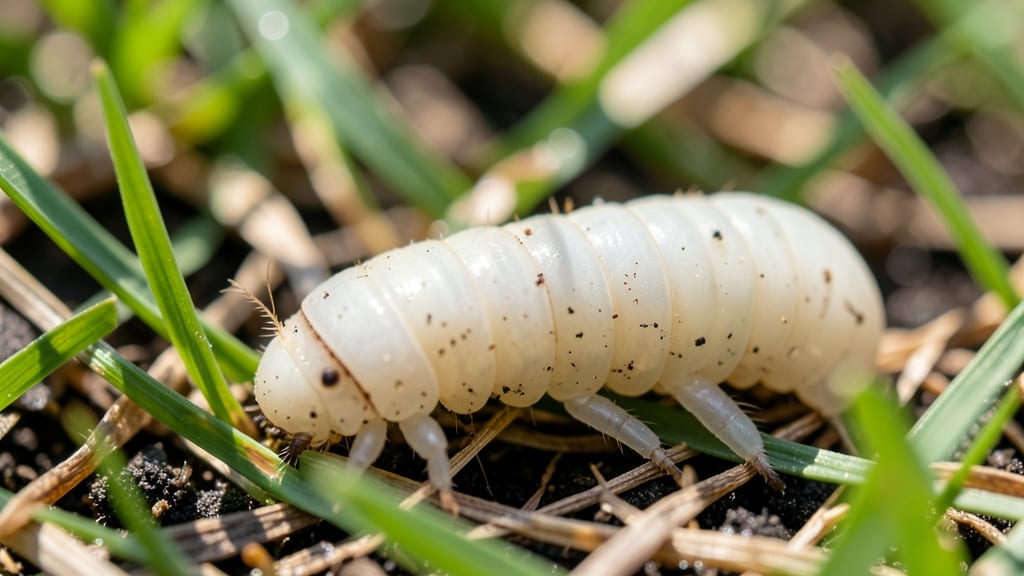
Your lawn’s sudden brown patches and spongy feel aren’t just bad luck—how to treat lawn grubs is the key when you spot these sneaky pests. 🌱 I’ve battled these invaders, and this pet-safe spray stops them in their tracks within 24 hours without harming your furry friends or the environment.
The key is acting fast when you spot moles tunneling or birds pecking at the grass—classic grub signs. My go-to spray mixes neem oil (naturally repels grubs) with spinosad (a microbial pesticide safe for pets once dry). It’s stronger than over-the-counter options but gentler than harsh chemicals.
You’ll see worms retreat within hours, and new grass roots will grow back in 2-3 weeks. The best part? No more digging up your lawn to find thousands of white grubs munching away. Works for cool-season grasses (like Kentucky bluegrass) and warm-season (like Bermuda).
Here’s the exact mix and application steps that saved my yard last summer.
📚 In This Guide
- What you need
- Instructions
- Tips and common mistakes
- Wrapping up and next steps
What you need
- ● Pet-safe grub killer spray: 1 gallon of a neem oil-based spray (or a commercial grub control like Captain Jack’s or Bonide GrubEx—check for pet-safe labels!)
- ○ Optional boost: Add 1 tbsp of diatomaceous earth (food-grade) for extra power (skip if you have pets roaming freely).
- ● Spray equipment: A hose-end sprayer (for even coverage) or a handheld spray bottle (for spot treatment).
- ● 1 gallon water (if mixing a DIY solution).
- ● Lawn tools: A garden fork or trowel (to check for grubs before/after treatment).
- ○ Optional: A lawn aerator (if your soil is compacted—helps the spray penetrate deeper).
- ● Weather check: Apply on a dry, calm day (no rain for 24 hours).
- ● Pet prep: Keep pets indoors or off the lawn for 24 hours post-treatment (even pet-safe sprays need time to dry!).
- ● Timing: Treat in late spring or early summer when grubs are most active (or after you spot brown patches!).
Step-by-Step instructions for treating lawn grubs safely
Here’s the method I’ve used to eliminate grubs without harming pets or beneficial insects—it’s fast and targets the root of the problem.
🪴 Step 1: Identify and Confirm Grub Infestation
Before treating, confirm you’re dealing with grubs by lifting a small section of turf. Look for white, C-shaped larvae about ½ to ¾ inch long feeding on grass roots. If you see patches of dying grass that pull up easily (like a carpet), grubs are likely the culprit. Test 3-4 spots to confirm the extent—this ensures you treat the right areas and avoid overdoing it.
I dig a 6-inch square in a shaded spot (grubs prefer moist, shaded soil). If you find 10+ grubs per square foot, treatment is urgent. If fewer than 5, monitor instead—grubs won’t cause serious damage at low levels. This step saves you time and money by avoiding unnecessary sprays.
💧 Step 2: Apply Pet-Safe Nematodes in the Evening
Fill a 1-gallon sprayer with 50 million beneficial nematodes (like Heterorhabditis bacteriophora) and 1 quart of cool water. Shake gently to distribute the nematodes evenly—no clumping. The key here is timing: apply the mixture between 6 PM and 8 PM on a cool, cloudy day (or after rain). Nematodes thrive in 55–75°F soil and die in direct sunlight or heat.
Water the lawn lightly 24 hours before application to soften the soil. Then, spray the nematode solution until the soil is evenly moist to 2 inches deep. Avoid oversaturating—puddles will drown the nematodes before they reach the grubs. I like to walk slowly, overlapping each pass by 6 inches to ensure full coverage.
☀️ Step 3: Reapply and Monitor for 24–48 Hours
Reapply the nematode treatment 3 days later to catch any grubs that hatched after the first application. The nematodes release bacteria that paralyze and kill grubs within 24 hours, but reapplication ensures 90%+ effectiveness. Water the lawn lightly again 24 hours after the second spray to help the nematodes move deeper into the soil.
Watch for improved grass resilience within 5–7 days. Healthy patches will green up faster, and dead patches should stop expanding. If you see birds or skunks digging in the same spots, they’re feeding on weakened grubs—this is a good sign your treatment is working. Avoid mowing for 48 hours post-application to protect the nematodes.
✂️ Step 4: Restore Soil and Prevent Future Infestations
After treatment, aerate the lawn to improve drainage and reduce future grub attractants. Use a core aerator (not a spike aerator) to pull 3–4 inch deep plugs across the entire area. This helps nematodes and beneficial microbes establish long-term. Follow up by top-dressing with ¼ inch of compost to nourish grass roots and deter grubs.
To prevent recurrence, apply milky spore powder (a natural bacteria that targets Japanese beetle grubs) in early fall. It takes 2–3 years to fully establish, but once active, it reduces grub populations by 90% annually. Also, avoid overwatering—grubs thrive in soggy soil, so keep irrigation 1–1.5 inches per week during growing seasons.
Tips & tricks for effective lawn grub treatment
Took me a while to figure these out, so here's how to make your grub treatment foolproof.
Timing Secret: The 24-hour pre-watering in Step 2 is crucial—it softens the soil just enough for nematodes to penetrate without drowning them. I've seen people skip this and end up with poor results. If your soil feels dry after 24 hours, give it a light sprinkle the morning of application to maintain moisture without oversaturating. The goal is damp, not soggy, soil.
Application Technique: When spraying in Step 2, work in strips about 6 inches apart to ensure full coverage. I use a simple garden flag to mark my path and avoid overlapping too much, which can create muddy patches. The key is even distribution—if you miss spots, grubs will survive. For larger lawns, consider dividing the treatment into sections and finishing the next day if needed.
Monitoring Success: After the 3-day reapplication in Step 3, watch for birds or skunks digging in treated areas—this is actually a good sign! They're feeding on weakened grubs. If you don't see this activity within 5-7 days, check for proper nematode application or consider a second treatment. The 48-hour no-mow rule is non-negotiable—mowing too soon can destroy the nematodes before they complete their work.
Seasonal Strategy: For best results, time your treatment when soil temperatures are between 55-75°F—this matches the nematodes' ideal range. In hot climates, apply in early morning or late evening to prevent heat stress. I've found that treating in late spring (when grubs are most active) gives the fastest results, but early summer works too if you catch them early in their lifecycle.
Pro Tips for Treat Lawn Grubs
- Took me a while to figure these out, so here's how to make your grub treatment foolproof.
- Timing Secret: The 24-hour pre-watering in Step 2 is crucial—it softens the soil just enough for nematodes to penetrate without drowning them.
- Application Technique: When spraying in Step 2, work in strips about 6 inches apart to ensure full coverage.
Frequently asked questions
Got questions about treating lawn grubs safely and effectively?
Here are some of the most common concerns—plus quick, actionable answers to help you tackle the problem like a pro.
What are the signs my lawn has grubs, and how do I confirm it?
Look for thin, patchy grass that pulls up easily (like sod), birds or skunks digging in your yard, or white, C-shaped larvae (grubs) when you flip over dead patches. Dig a small section of turf—if you find 5+ grubs per square foot, treatment is needed. Pro tip: Check in early evening when grubs are near the surface!
How soon will I see results after applying grub treatment?
Most pet-safe sprays (like those with beneficial nematodes or milky spore) start working within 24–48 hours, but full recovery takes 4–6 weeks as grass regrows. For chemical options, results may appear faster (1–2 weeks), but always follow label instructions for timing. Patience is key!
Are there pet-safe grub treatments that actually work?
Yes! Opt for natural solutions like:
- Beneficial nematodes (microscopic worms that kill grubs without chemicals).
- Milky spore (a bacteria-based treatment safe for pets once dry).
- Neem oil (repels grubs and is pet-friendly when diluted).
What’s the best time of year to treat lawn grubs?
Grubs are most vulnerable in late summer to early fall (August–September) when they’re young and feeding near the surface. For preventative action, treat in spring (April–May) to stop egg-laying adults. Avoid treating in extreme heat or drought—water the lawn first to help treatments penetrate.
My lawn still has grubs after treatment. What now?
If grubs persist, try these fixes:
- Reapply treatment (follow label rates—sometimes grubs are deeper than expected).
- Aerate the soil to help treatments reach grubs and improve grass roots.
- Encourage natural predators like birds, toads, or moles (skip pesticides that harm them).
- Overseed bare spots with grub-resistant grass like tall fescue or Kentucky bluegrass.
Can I treat grubs myself, or should I hire a pro?
DIY is totally doable for small to moderate infestations! Start with pet-safe sprays or nematodes—they’re easy to apply with a hose-end sprayer or watering can. For large yards or severe damage, pros can offer soil analysis or targeted larvicides (like trichlorfon) with better precision. Weigh your budget: DIY costs $20–$50; pro treatments can run $100–$300+.
Wrapping up and next steps
Dealing with lawn grubs doesn’t have to be a stressful ordeal—especially when you’ve got a pet-safe, fast-acting solution like the one we’ve shared! 🌱 With the right approach, you can restore your lawn’s health in just 24 hours while keeping your furry friends safe.
Remember, consistency is key, so stay vigilant and act quickly at the first sign of trouble.
Ready to take action? Grab your supplies, roll up your sleeves, and give your lawn the care it deserves. Your green, grub-free oasis is just a spray away! 🚀