
Lawn
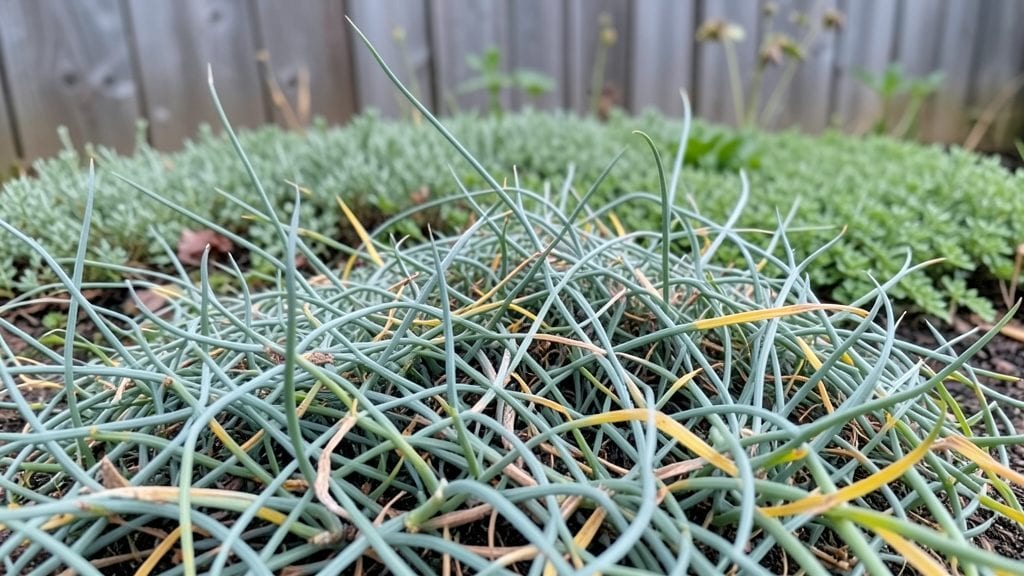
Is grass invasive? It depends—grass isn't inherently invasive but can become aggressive when planted in non-native ecosystems or left unmanaged, spreading rapidly through rhizomes or stolons to dominate landscapes and outcompete native plants.
Grass spreads aggressively through underground stems called rhizomes or above-ground runners called stolons, which allow it to quickly fill empty spaces. 🌱 Some varieties, like Bermuda grass, spread faster than others, while cool-season grasses like fescue grow more slowly.
The key difference lies in whether you're dealing with native or non-native species—native grasses tend to stay in check, while introduced types often take over when given the chance.
When grass spreads unchecked, it can smother native plants, alter soil composition, and even disrupt local ecosystems. The speed of this spread depends on environmental factors like sunlight, water availability, and soil quality.
For example, warm-season grasses thrive in summer heat and can double their coverage in just a few weeks under ideal conditions.
💡 In This Article
- How Grass Spreads and Invades Landscapes
- Managing Grass Growth to Prevent Overrun
How grass spreads and invades landscapes
Grass spreads aggressively through two primary biological mechanisms: rhizomes (horizontal underground stems) and stolons (above-ground runners). Bermuda grass, for example, spreads at a rate of up to 12 inches per month using stolons, creating dense mats that choke out other plants.
These growth structures allow grass to rapidly fill empty spaces by producing new shoots at nodes along the stems, often outpacing slower-growing native species.
The speed of spread varies dramatically between species.
Warm-season grasses like Bermuda or Zoysia can double their coverage in as little as 3-4 weeks during peak growing seasons, while cool-season grasses like fescue or Kentucky bluegrass grow more slowly (6-8 inches per season) but still dominate through persistent seed production.
The key difference lies in their reproductive strategies: stoloniferous grasses spread horizontally, while rhizomatous types expand underground.
Seed dispersal plays a secondary but critical role. A single Bermuda grass plant can produce 10,000+ seeds per year, while fescue yields about 1,000 seeds. These seeds germinate quickly in disturbed soils, creating new colonies.
The combination of rapid vegetative spread and prolific seeding makes grasses formidable competitors in ecosystems where they weren't originally native—think of how creeping Charlie (a grass-like weed) takes over shady garden beds within a single season. 🌱
Environmental conditions accelerate this spread. Grass thrives in full sun with 1-1.5 inches of water per week, conditions that many native wildflowers can't tolerate.
When planted outside their natural range (like tall fescue in arid climates), grasses exploit these advantages, altering soil chemistry by reducing organic matter and increasing compaction. This creates a feedback loop where only more grass can survive in the modified environment.
Consider the case of kudzu (a notorious invasive vine) versus Bermuda grass. While kudzu spreads through vines at 60 feet per year, Bermuda grass achieves similar dominance through its underground network, forming dense sod that blocks sunlight from reaching competing plants.
The difference? Kudzu smothers everything above ground; Bermuda grass does it from below, making it harder to eradicate once established.
What most people don't realize is that even "non-invasive" grasses can become problems when planted in the wrong place. For instance, fine fescue—often marketed as low-maintenance—can still spread aggressively if given ideal conditions.
The invasion potential depends on three factors: growth rate, reproductive method, and whether the grass is native to the local ecosystem. 🌿