
Lawn
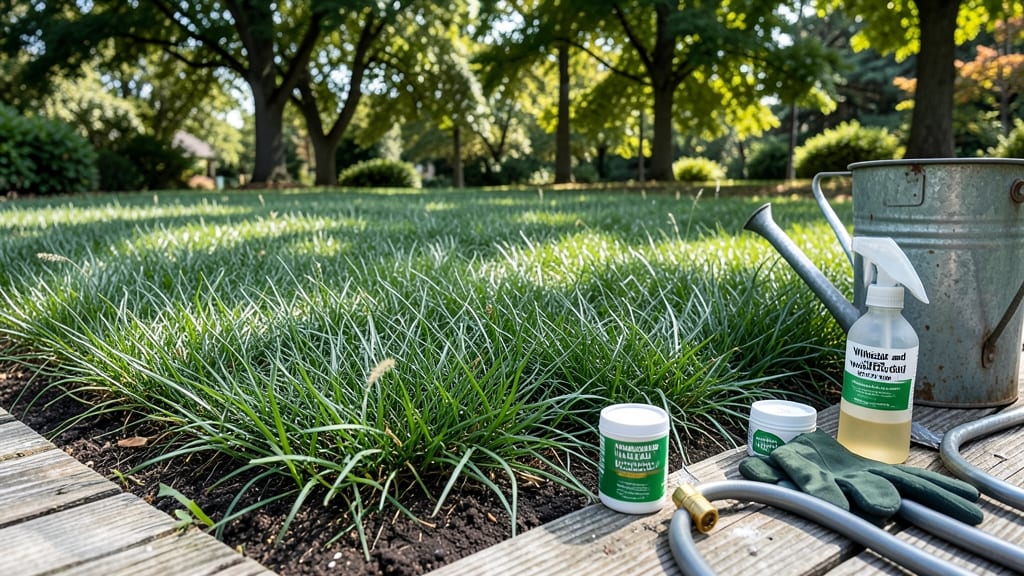
Dog urine can lawn neutralize brown patches fast—before they become permanent dead spots. 🌱 The ammonia in urine burns grass instantly, while long-term peeing acidifies soil, leaving permanent dead spots. But there’s a fast fix: a simple spray that blocks ammonia and restores grass in days, not months.
Most people overlook the science: urine’s nitrogen burns grass in minutes, while acidity stunts growth over time. The solution? Dilute urine with water immediately, then apply a baking soda spray to neutralize pH. For stubborn spots, over-seeding and lime work like magic—reviving grass that looked hopeless.
You’ll see vibrant green return within a week if you catch it early. The key is speed: flush urine with water, then apply the spray before it sets. Prevent future damage by training your dog to pee on gravel or grass-free zones.
This method works for any lawn type—cool-season or warm-season grass—without harsh chemicals. No more brown patches ruining your yard’s look. Let’s fix it for good.
The Science Behind Dog Urine Damage
Dog urine isn’t just a nuisance—it’s a chemical cocktail that can turn your lush lawn into a patchy wasteland. Understanding why this happens is the first step to fixing it. Below, we break down the key culprits and how they wreck your grass at a microscopic level.
When your dog pees, their urine contains ammonia (NH₃), a byproduct of breaking down proteins and nitrogen-rich foods. While dogs process ammonia efficiently, plants? Not so much. Here’s what goes down:
- pH Spike: Fresh dog urine is highly alkaline (pH 8.0–9.0), while healthy soil thrives at 6.0–7.0. This extreme shift disrupts root cells, causing them to leach out essential nutrients like potassium and phosphorus—like pulling the plug on a plant’s lifeline.
- Cell Membrane Damage: Ammonia molecules are small enough to penetrate grass cell walls, disrupting their structure. Think of it like salt on a slug—it dehydrates and kills the cells from the inside out.
- Nutrient Lockout: Even if your soil has nitrogen (which grass loves), ammonia binds to it too aggressively, creating a "locked" form that roots can’t absorb. The result? Yellow patches where the grass starves, even with fertilizer.
Pro Tip: 💡 The first 24 hours after urination are critical—ammonia levels peak and start damaging grass almost immediately. Act fast to minimize harm!
Dog urine is about 5% urea (a nitrogen compound), which sounds helpful—until it converts into ammonia. Here’s the chain reaction:
- Urea → Ammonia: Soil bacteria break down urea into ammonia (NH₃) via urease enzymes. This process is fastest in warm, moist soil (like spring or after rain).
- Toxic Buildup: If the soil can’t process ammonia quickly enough (e.g., compacted or clay-heavy soil), it poisons grass roots before converting into a usable nitrogen form (nitrate).
- Secondary Stress: Ammonia also attracts soil fungi, which compete with grass roots for nutrients, weakening the lawn further.
Fun Fact: 🔥 A single dog’s urine can contain enough urea to raise soil pH enough to kill grass within hours—especially on thin or newly seeded lawns.
Not all urine damage is equal—environmental factors amplify or mute the problem. Here’s how:
| Factor | How It Worsens Damage | How It Reduces Damage |
|---|---|---|
| 🌞 Sunlight | Speeds up ammonia release (heat + UV accelerate chemical reactions). | Minimal effect—sun alone doesn’t neutralize urine. |
| 💧 Moisture | Wet soil dissolves ammonia faster, increasing root exposure. Rain after urination = worse damage. | Dry soil slows ammonia conversion (but doesn’t prevent long-term pH shifts). |
| 🌡️ Temperature | Warm soil (70°F+) doubles ammonia production—peak damage risk in summer. | Cold soil (<50°F) slows urea breakdown, giving grass a slight reprieve. |
| 🏗️ Soil Type | Clay or compacted soil traps ammonia, prolonging root exposure. | Sandy soil drains ammonia faster (but may leach nutrients away). |
Key Takeaway: ⏳ If your dog pees on a hot, rainy day on clay soil, your grass is in critical danger. Timing and conditions matter more than you think!
Dog urine isn’t just ammonia—it’s a mix of phosphates, magnesium, and even trace metals (like zinc or copper) from their diet. While some minerals are harmless, others create a toxic cocktail:
- Phosphate Buildup: Excess phosphates bind to soil particles, forming insoluble compounds that grass can’t access. Over time, this leads to phosphorus deficiency in other areas of your lawn.
- Magnesium & Calcium Shifts: Urine alters the calcium-to-magnesium ratio in soil, which can cause grass blades to yellow or develop brown tips (a classic sign of nutrient lockout).
- Heavy Metal Accumulation: If your dog eats supplements or treats with zinc/iron, these can accumulate in soil**, inhibiting root growth over time.
Warning: 🚨 Repeated urination in the same spot turns it into a "dog urine hotspot"—a barren circle where no grass will grow until you physically remove the contaminated soil.
Quick Fixes for Dog Urine Damage
Dog urine can turn your lush lawn into a patchy, yellowed mess—but the good news is, you can reverse (and prevent!) the damage with the right approach. Below, we’ve mapped out practical solutions based on the root causes of urine damage, from acidic burns to ammonia buildup.
Plus, we’ll share prevention tips to keep your grass thriving long-term.
If your lawn already shows brown or yellow spots from dog urine, act fast to revive it.
- 💦 Flush with Water – Dilute the urine’s acidity by thoroughly watering the area (1–2 inches of water). Do this immediately after your dog pees to minimize damage.
- 🌱 Overseed or Reseed – If the grass is dead, rake the area gently, then spread high-quality grass seed (choose a type that matches your lawn). Keep the soil moist until new growth appears.
- 🍃 Apply a Lawn Fertilizer – Use a low-nitrogen fertilizer to avoid overstimulating the grass. Look for one with iron or sulfur to help restore color.
Dog urine contains ammonia and uric acid, which can burn grass roots over time. Here’s how to counteract it:
- 🔬 Use a Vinegar or Baking Soda Solution – Mix 1 part white vinegar or baking soda with 3 parts water in a spray bottle. Lightly mist the affected area to neutralize pH levels before watering.
- 🌿 Try a Commercial Neutralizer – Products like Nature’s Miracle Lawn Restorer or Simple Solution Stain & Odor Remover are designed to break down ammonia and restore grass health.
- 🌱 Boost Soil Health with Compost – Spread a thin layer of organic compost over the area to improve soil structure and help grass recover faster.
The best way to protect your lawn? Break the urine cycle before it starts.
- 🚿 Train Your Dog to Pee Elsewhere – Teach your pup to use a designated gravel or mulch area (they won’t burn those surfaces). Reward them with treats when they go there!
- 💡 Use a Dog Urine Neutralizing Spray – Spray an ammonia-blocking solution (like the one in our article!) immediately after your dog pees to prevent acid buildup.
- 🌱 Choose Dog-Friendly Grass Types – Some grasses, like Kentucky Bluegrass or Fescue, are more resilient to urine than others. Consider overseeding with a tougher variety.
- 🌧️ Water Frequently & Deeply – A well-hydrated lawn recovers faster from urine damage. Aim for 1–1.5 inches of water per week, including rainfall.
If your lawn still looks patchy after trying the above:
- 🔄 Test Your Soil’s pH – Use a soil test kit to check if your lawn’s pH is too acidic (ideal range: 6.0–7.0). Adjust with lime (to raise pH) or sulfur (to lower it).
- 🌱 Consider a Temporary Cover – If a spot is severely damaged, lay down mulch or landscape fabric until grass regrows, then reseed.
- 🐕 Rotate Peeing Spots – If your dog has a favorite patch, gently move them to a new spot every few days to prevent permanent damage.
With these targeted fixes, your lawn can bounce back from dog urine damage—and stay lush for years to come. 🚀 The key? Act fast, neutralize the acid, and prevent future issues with smart habits.
Frequently asked questions
How quickly should I act after my dog pees to prevent lawn damage?
The first 30 minutes are critical! Immediately flush the area with 1-2 inches of water to dilute the ammonia. If you wait longer than 24 hours, the risk of permanent brown patches increases significantly. Speed is your best defense against grass burn.
Can I use household items like vinegar or baking soda to neutralize dog urine?
Yes! Mix 1 part white vinegar or baking soda with 3 parts water in a spray bottle. Lightly mist affected areas to counteract the alkaline pH. For best results, apply this solution within 24 hours of urination. Vinegar helps break down ammonia while baking soda neutralizes acidity.
What's the best grass type to grow if I have dogs?
Choose Kentucky Bluegrass or Fescue—they're more resilient to urine damage. These varieties recover better from ammonia burns. For high-traffic areas, consider Zoysia grass, which tolerates frequent peeing better than most lawn types. Overseeding with these tougher grasses can save your lawn long-term.
Will commercial dog urine neutralizers really work?
Products like Nature's Miracle Lawn Restorer contain enzymes that break down ammonia and restore grass health. For best results, apply immediately after peeing, then follow up with watering. These sprays work faster than DIY methods for severe damage cases.
How do I fix a permanently brown spot from repeated dog peeing?
First, remove the dead grass with a rake. Then spread 1 inch of compost over the area and overseed with fresh grass seed. Keep the soil moist for 2-3 weeks until new growth appears. For stubborn spots, consider replacing the top 2-3 inches of soil to eliminate accumulated urine toxins.