
Lawn
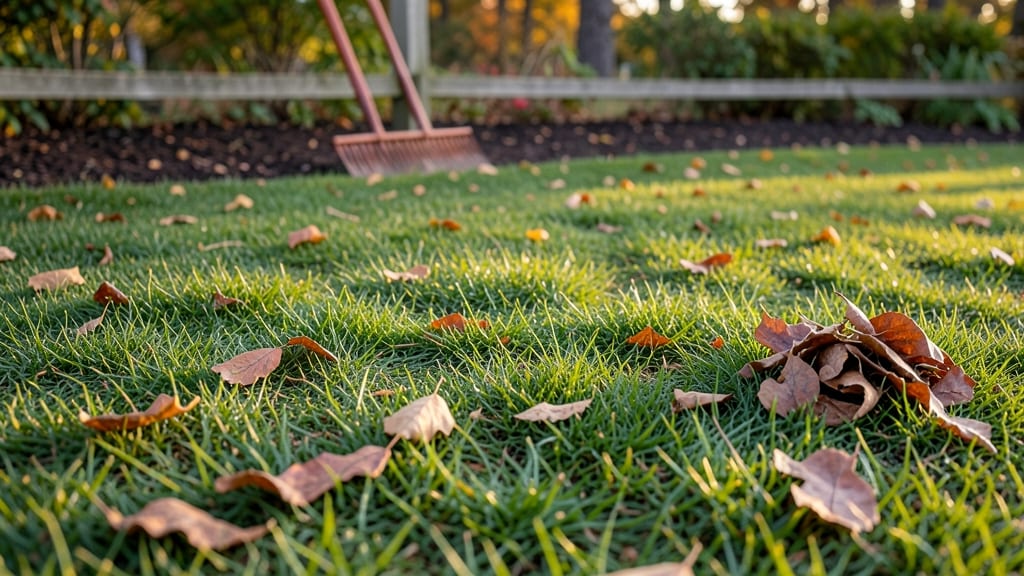
Leaving leaves on lawn naturally fertilizes soil with organic matter, improving moisture retention and suppressing weeds, but thick layers can smother grass and attract pests if not managed properly. Mulch leaves lightly for best results.
When you leave leaves on your lawn, you're essentially creating a natural mulch that breaks down over time.
This process releases essential nutrients like nitrogen, phosphorus, and potassium back into the soil, which promotes healthier grass roots and microbial activity. 🌱 However, the key is balance—too many leaves can block sunlight and trap moisture, creating an anaerobic environment that suffocates grass.
I recommend mowing leaves into smaller pieces first to distribute them evenly, especially in fall when decomposition is most beneficial.
The best approach depends on your lawn's health and climate. In cooler regions, a thin layer of leaves can protect grass from winter freeze-thaw cycles, while in warmer areas, you might need to remove excess leaves to prevent fungal growth.
Always aim for a ¼-inch layer or less—this thickness allows sunlight to reach the grass while still providing soil benefits.
💡 In This Article
- How Lawn Leaves Impact Soil Fertility and Grass Health
- Best Practices for Mulching Lawn Leaves Without Harming Grass
How lawn leaves impact soil fertility and grass health
When leaves decompose on your lawn, they undergo a natural process called microbial mineralization, where soil bacteria and fungi break down the cellulose and lignin in leaves into simpler compounds. This releases nitrogen (N), phosphorus (P), and potassium (K)—the three primary nutrients grass needs to thrive.
A single layer of shredded leaves can contribute up to 5% of a lawn’s annual nitrogen needs, while whole leaves release nutrients more slowly over 6-12 months depending on climate and moisture levels. 🌿 The breakdown also produces humus, a spongy organic matter that improves soil structure and water retention by up to 30% compared to bare soil.
The thickness of the leaf layer directly affects grass health. A ¼-inch layer is ideal—it allows sunlight to reach grass blades while providing enough organic cover to suppress weeds and retain moisture. However, layers thicker than ½-inch can block 50-70% of sunlight, stunting photosynthesis and weakening grass.
In wet climates, thick layers also create anaerobic conditions, where oxygen-starved soil promotes fungal growth like snow mold or dollar spot, which can kill grass patches. The key is balance: too little leaves mean missed fertility benefits, while too much smothers your lawn.
Leaf decomposition isn’t just about nutrients—it’s a microbial ecosystem. As leaves break down, they feed beneficial soil microbes, including actinobacteria and mycorrhizal fungi, which help grass roots absorb water and nutrients more efficiently.
These microbes also produce growth-promoting hormones like auxins, which stimulate root development. For example, a study by the University of Connecticut found lawns with mulched leaves had 20% more root biomass than those with bare soil, leading to greener, more resilient grass. 🌱 The trade-off?
If leaves aren’t properly shredded, they can mat together, trapping moisture and creating ideal conditions for pests like chinch bugs or sod webworms.
Seasonal timing matters too. In fall, when grass growth slows, leaves decompose faster due to cooler temperatures and increased moisture. This is when their nutrient benefits peak, as the slow release aligns with the lawn’s reduced metabolic demands.
In spring, however, leaves decompose more slowly, and thick layers can suffocate newly emerging grass. The decomposition rate also varies by leaf type: maple and oak leaves break down in 4-6 months, while pine needles can take up to 2 years due to their waxy, resinous coating.
This is why mowing leaves into smaller pieces accelerates the process—surface area exposure increases by up to 40% when leaves are shredded.
Another critical factor is soil pH. Leaves from deciduous trees (like oak or birch) are slightly acidic (pH 5.5-6.5), which can lower soil pH over time if not balanced. Grass like Kentucky bluegrass prefers a pH of 6.0-7.5, so heavy leaf buildup may require occasional lime applications.
Evergreen needles, on the other hand, are more acidic (pH 4.5-5.0) and should be used sparingly or composted first. Testing your soil’s pH annually helps you adjust leaf management—aim for a neutral to slightly acidic range (6.0-6.5) for most cool-season grasses. 💡
For homeowners, the best way to harness these benefits is to mulch leaves into the lawn using a mower with a bagger or mulching blade. This distributes leaves evenly, reducing thickness while accelerating decomposition.
If your lawn already has a thick layer, rake or blow leaves into piles along garden edges to compost naturally—these piles can reach 140°F internally, pasteurizing soil pathogens and creating nutrient-rich "leaf mold" for springtopping.
Just avoid piling leaves near foundations or sidewalks, where they can attract pests like rodents or slugs.