
Lawn
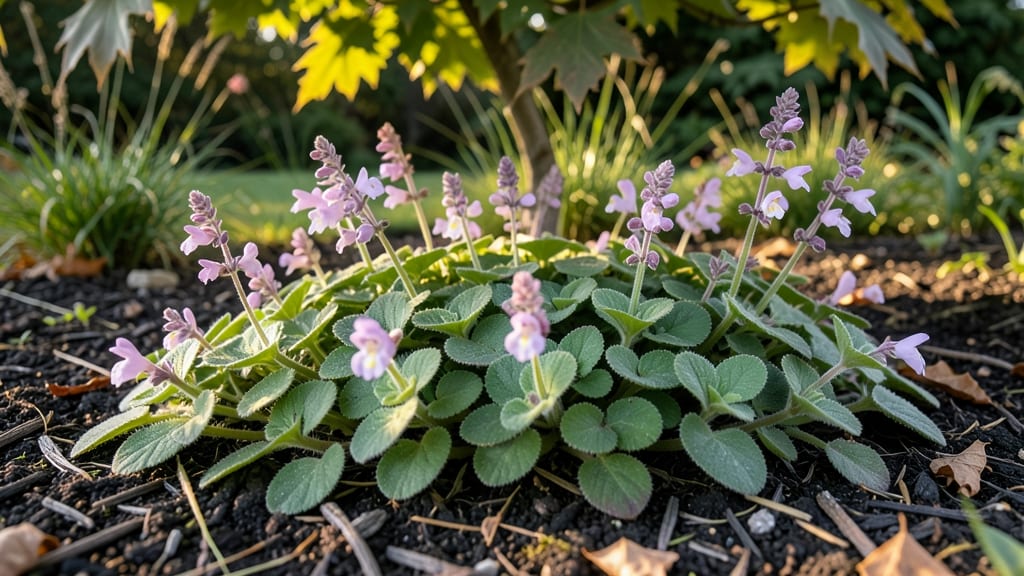
That tiny small purple flower lawn weed popping up in your lawn isn't just unsightly—it's likely henbit, a cold-hardy weed that thrives before grass even wakes up in spring. 🌱 I’ve pulled clumps of it by hand for years, and while it’s annoying, it’s not impossible to control without harsh chemicals.
The key is knowing when and how to attack it before it spreads.
Henbit loves cool weather and moist soil, which is why it explodes in early spring and fall. Those delicate purple flowers might look pretty, but they produce thousands of seeds that germinate faster than you can say "weed whack."
The good news? It’s not invasive or harmful to grass—just persistent. A well-timed pre-emergent in early spring can block new seedlings, and a sharp rake removes established patches without damaging your lawn.
By mid-summer, henbit usually fades on its own, giving your grass a fighting chance. The real battle is in spring when it’s most aggressive. With the right approach, you’ll see fewer purple blooms and more green blades within a few weeks.
Think of it as a temporary weed, not a permanent problem.
For stubborn patches, spot-treat with vinegar or a homemade weed killer (equal parts vinegar, salt, and dish soap) on a dry day. Just avoid spraying when rain is forecasted—you don’t want to waste your effort. Prevention is easier than cleanup, so focus on keeping your lawn thick and healthy year-round.
Why it happens
H2: Root Causes of Purple Blooms
Those tiny purple flowers dotting your lawn aren’t just an aesthetic nuisance—they’re often a sign of underlying conditions that encourage their growth. Understanding why these weeds thrive helps you tackle the problem at its source, not just the symptoms. Let’s break down the science behind their persistence.
🌱 Poor Soil Conditions
Small purple-flowered weeds, like henbit or chickweed, often invade lawns where soil is compacted, nutrient-poor, or lacks proper aeration. These weeds are opportunistic—they germinate quickly in disturbed or thin soil where grass struggles to compete.
- Compacted Soil: Heavy foot traffic, machinery, or clay-heavy soil restricts water and oxygen flow, weakening grass roots. Weeds like purple deadnettle (Lamium purpureum) take advantage of these gaps, sending down shallow but aggressive roots.
- Low Organic Matter: Soil devoid of compost or organic material lacks the nitrogen and phosphorus these weeds need—but they adapt by fixing nitrogen themselves, outcompeting grass. A soil test revealing low pH (<6.0) or insufficient nutrients (like potassium) further invites their takeover.
- Thatch Buildup: A thick thatch layer (over ½ inch) blocks water and nutrients from reaching grass roots, creating a microclimate where weeds thrive. Purple-flowered broadleaf weeds often sprout in these shaded, moist conditions.
Actionable Fix: Aerate your lawn in fall or spring to relieve compaction, then top-dress with ¼ inch of compost. Test your soil annually and amend with lime (if pH is too low) or a balanced fertilizer (like 10-10-10) to restore grass vigor.
💦 Overwatering or Irrigation Issues
Weeds with small purple blooms often signal overwatering or inconsistent moisture levels. These plants thrive in damp conditions but can’t survive prolonged drought—so they germinate in spots where grass is stressed by too much water.
- Excessive Moisture: Lawns watered daily (or with sprinklers that create puddles) create soggy patches. Weeds like prostrate spurge (with its tiny purple-tinged flowers) love these conditions because they outcompete grass in waterlogged soil.
- Inconsistent Watering: Alternating between drought and sudden downpours shocks grass roots, leaving gaps for weeds. Purple-flowered annuals like common chickweed germinate in these disturbed zones, their rapid growth filling the void.
- Poor Drainage: Low spots or clay soil that holds water after rain create ideal nurseries for moisture-loving weeds. Their seeds lie dormant until soil moisture spikes, then sprout within days.
Actionable Fix: Adjust your watering schedule to 1–1.5 inches per week (including rain), and water deeply but infrequently (early morning is best). Fix drainage issues with sand or gypsum amendments, and level low spots with topsoil.
☀️ Light and Shade Imbalances
Lawns with uneven sunlight—whether from tree shade or dense grass clumps—create pockets where weeds like henbit or violet (Viola species) flourish. These weeds are shade-tolerant and can photosynthesize efficiently in low light, while grass struggles.
- Tree Canopy Shade: Dappled or deep shade from mature trees reduces grass density, leaving bare soil for purple-flowered weeds. Their delicate stems can grow under 30–50% sunlight, where turfgrass often yellows.
- Thin Grass Patches: Areas where grass is sparse (due to disease, pet urine, or foot traffic) receive more direct sunlight, but the soil stays exposed. Weeds like prostrate knotweed seize the opportunity, their rapid growth shading out slower-growing grass.
- Seasonal Light Shifts: Early spring or late fall, when grass is dormant, weeds with purple blooms (like bittersweet nightshade) germinate in full sun, taking advantage of the "open season" for growth.
Actionable Fix: Overseed bare or thin areas with shade-tolerant grass like fine fescue. Thin tree canopies selectively to improve light penetration, or use mulch under trees to suppress weeds. Mow higher (3–4 inches) in shady areas to encourage grass density.
🌱 Seed Spread and Dormancy
Many small purple-flowered weeds are annuals or biennials, meaning they rely on prolific seed production to survive. A single plant can release thousands of seeds that lie dormant in the soil for years, waiting for the right conditions to sprout.
- Seed Banks: Disturbed soil (from aeration, construction, or even rake marks) triggers dormant seeds to germinate. Weeds like red deadnettle can remain viable in soil for 5+ years, so one missed treatment leads to recurring infestations.
- Animal and Wind Dispersal: Birds, squirrels, and even lawn equipment spread seeds across your yard. Purple-flowered weeds like violet have sticky seeds that cling to fur or shoes, while others (like purslane) rely on wind.
- Mowing and Tilling: Cutting weeds before they set seed reduces spread, but tilling or aerating can bury seeds deeper, delaying germination but not eradicating them. Some seeds need light to germinate, so tilling actually encourages them to sprout.
Actionable Fix: Pull weeds before they flower (gloves recommended—some, like stinging nettle, have irritating hairs). Bag and dispose of clippings to prevent reseeding. For stubborn patches, apply a pre-emergent herbicide in early spring (like trifluralin) to block seed germination.
🛡️ Weakened Grass Competition
Healthy grass is the best weed deterrent, but factors like disease, pests, or improper mowing create openings for purple-flowered invaders. Weeds exploit stress in turfgrass like a shopper during a sale.
- Disease Pressure: Fungal diseases (like brown patch or dollar spot) kill grass, leaving bare soil for weeds. Purple-flowered chickweed thrives in these dead zones, its soft stems avoiding the same pathogens.
- Insect Damage: Grubs, chinch bugs, or sod webworms chew grass roots, causing yellow patches where weeds move in. Weeds like prostrate spurge have deep taproots that access water and nutrients left behind by dying grass.
- Improper Mowing: Cutting grass too short (below 2 inches) stresses it, while leaving it too tall (over 4 inches) creates a thatch mat. Both scenarios invite weeds. Purple-flowered henbit thrives in these transitional zones.
Actionable Fix: Treat lawn diseases with fungicides (like propiconazole) and monitor for pests with insecticidal soap or nematodes. Mow at the highest recommended height for your grass type (usually 3–4 inches), and never remove more than ⅓ of the blade in one mowing.
Eliminate Tiny Purple Blooms Naturally
Now that you understand why those pesky small purple flowers keep popping up in your lawn, it’s time to tackle them head-on! The good news? You don’t need harsh chemicals to win this battle.
Below are practical, step-by-step solutions tailored to the most common causes—plus prevention tips to keep your lawn weed-free for good.
---
If your lawn only has a few scattered purple bloomers, manual removal is the easiest and safest method.
🔥 Step 1: Choose the Right Time - Pull weeds after rain or watering—soil will be soft, making extraction easier. - Best time of day: Early morning or late afternoon (avoid midday heat).
🍳 Step 2: Grab the Right Tools - Gloves (to protect your hands from prickly stems). - Garden trowel or weeding fork (for stubborn roots). - Grass seed & soil (for patching bare spots).
👨🍳 Step 3: Pull (Don’t Just Snap!) - Grasp the weed as close to the base as possible. - Twist gently while pulling upward to avoid breaking the root (which can regrow). - For deep roots, use a trowel to loosen soil before pulling.
🥘 Step 4: Fill the Gap - Loosen the soil in the empty spot with your fingers or a rake. - Sprinkle grass seed and lightly cover with soil. - Water gently to help seeds germinate.
✨ Pro Tip: If you spot weeds right after mowing, pull them immediately—they’re easier to remove when young!
---
If your lawn stays soggy or has poor drainage, purple weeds thrive. Adjusting your watering routine can starve them out.
🌡️ Step 1: Check Your Watering Schedule - Deep but infrequent watering (1–1.5 inches per week) encourages deep grass roots, crowding out weeds. - Avoid daily light watering—this keeps soil moist, helping weeds grow.
🎯 Step 2: Improve Drainage (If Needed) - If water pools after rain, your lawn may have clay soil or poor grading. - Solution: Aerate in fall (rent a core aerator) to break up compacted soil. - Alternative: Add a thin layer of compost to improve drainage over time.
🔥 Step 3: Let the Grass Compete - Mow high (3–4 inches) to shade out weeds. - Overseed thin areas in early fall with a weed-resistant grass blend (like tall fescue or Kentucky bluegrass).
---
If weeds cover more than 10–20% of your lawn, manual methods won’t cut it. Here’s how to attack them systematically.
#### 🌿 Organic Options (Safe for Pets & Kids) | Method | How to Use | Best For | |--------------------------|---------------------------------------------------------------------------------|---------------------------------------| | Corn Gluten Meal | Spread 20 lbs per 1,000 sq ft in early spring (pre-emergent). | Preventing new weeds from sprouting. | | Vinegar Spray | Mix 1 gallon white vinegar + 1 oz dish soap in a spray bottle.
Apply directly to leaves (avoid grass!). | Spot treatment on small patches. | | Boiling Water | Pour slowly over weeds (works best in cracks or between pavers). | Driveways, sidewalks, or dense weeds.|
⚠️ Warning: Vinegar and boiling water kill all plants they touch—use carefully!
#### 💊 Chemical Herbicides (For Stubborn Cases) If organic methods fail, selective herbicides target broadleaf weeds while sparing grass.
🔪 Step 1: Choose the Right Product - 2,4-D (e.g., Ortho Weed B Gon) – Kills dandelions, clover, and similar purple bloomers. - Dicamba (e.g., Trimec) – Works on tougher weeds like henbit (a common purple lawn weed).
⏰ Step 2: Apply at the Right Time - Best season: Early spring or fall (when weeds are actively growing). - Avoid applying before rain—it washes away before working.
🌱 Step 3: Reapply if Needed - Some weeds have deep roots—follow label instructions for a second treatment if necessary.
💡 Pro Tip: Always water your lawn before applying herbicide—this helps the chemical absorb into weed roots instead of evaporating.
---
The key to a weed-free lawn is proactive care. Here’s how to outsmart purple bloomers before they start:
1. 🌱 Strengthen Your Grass - Test your soil (DIY kits at garden centers) and amend with phosphorus & potassium if needed. - Overseed bare spots in fall with a dense, competitive grass mix.
2. ⏳ Adjust Your Mowing Habits - Never cut more than ⅓ of the grass blade at once—this stresses grass, making it vulnerable to weeds. - Sharpen your mower blade—dull blades tear grass, inviting disease and weeds.
3. 🚫 Block Weed Seeds - Pre-emergent herbicide (like corn gluten meal) in early spring stops weed seeds from germinating. - Mulch garden beds with 3+ inches of wood chips to smother weed seeds.
4. 🌧️ Master Your Watering - Water deeply but infrequently (1–2 times per week, early morning). - Fix sprinkler leaks—overwatering is a weed’s best friend!
5. 🔍 Stay Vigilant - Pull weeds when they’re small (before they flower and spread seeds). - Check under shrubs and in shady spots—weeds love hiding there!
--- Final Thought: A little consistency goes a long way. Combine manual removal, smart watering, and preventive care, and those tiny purple invaders won’t stand a chance! 🚀
Frequently asked questions
Are small purple flower lawn weeds harmful to my grass?
Most small purple-flowered weeds like henbit or chickweed aren't harmful to grass, but they compete for nutrients, water, and sunlight. The real issue is their rapid spread—one plant can produce thousands of seeds that germinate faster than grass can recover. If left unchecked, they'll thin out your lawn over time, creating more opportunities for even worse weeds to move in.
Why do these weeds appear in spring but disappear by summer?
These weeds are cool-season opportunists! They germinate in early spring when soil temperatures are mild (50-65°F), then thrive until summer heat arrives. By late spring or early summer, most purple-flowered annuals like henbit or violet complete their life cycle and die back naturally. The key is preventing their seeds from setting before they bloom.
Can I just mow over these weeds to get rid of them?
Mowing alone won't eliminate them—it actually encourages spread by allowing new seeds to germinate! For best results, combine mowing with pulling young weeds before they flower. Set your mower to 3-4 inches to shade out weeds while keeping grass healthy. If you see purple blooms appearing, that means the weeds have already set seeds—time to take more aggressive action.
What's the fastest way to remove established purple-flowered weeds?
For stubborn patches, use a vinegar-based spray (1 gallon white vinegar + 1 oz dish soap) on a dry, sunny day. This kills weeds within hours, but only works on small patches. For larger areas, spot-treat with a selective herbicide like 2,4-D (follow label instructions carefully). Always water your lawn first to help the treatment absorb properly into weed roots.
Will these weeds come back next year if I remove them now?
Many purple-flowered lawn weeds have seeds that can lie dormant for years in your soil! To prevent recurrence, combine removal with pre-emergent herbicide in early spring (like corn gluten meal) and improve your lawn's health through proper watering, mowing, and fertilization. Healthy grass naturally crowds out weeds by competing for space and resources.