
Lawn
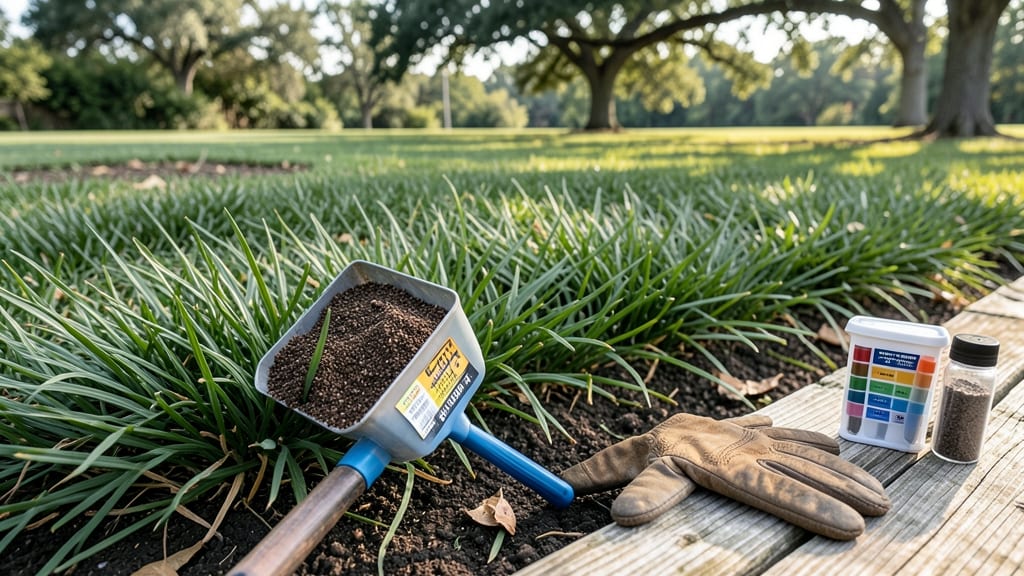
Fertilizing your lawn in Texas at the wrong time can leave you with brown patches, wasted fertilizer, or even pests creeping in—so knowing when to fertilize is the key to a thriving green lawn year-round.
Texas homeowners know a lush, green lawn is a point of pride—but timing your lawn fertilization wrong can waste money, harm grass, or even attract pests. Mastering the perfect fertilization schedule depends on your climate zone and grass type, yet most guides oversimplify the details.
Cool-season grasses like fescue need feeding in early spring and fall, while warm-season varieties like Bermuda or St. Augustine thrive with summer applications—but get it wrong, and you’ll end up with weak roots or fertilizer burn.
In this guide, I’ll break down the best months to fertilize by Texas zone, the right fertilizer types for your grass, and how to avoid common mistakes that cost you time and money.
Texas lawn fertilization schedule by climate zone: north vs. central vs. south
Texas lawns thrive on precision timing—what works in North Texas can burn South Texas grass if applied at the wrong time. The state's three distinct climate zones demand tailored fertilization schedules to avoid heat stress, weed outbreaks, or wasted nutrients.
I'll break down the month-by-month approach for each zone, including critical pre-emergent and post-emergent timing to keep your lawn lush without breaking the bank.
First, identify your zone: North Texas (USDA Zones 7b-8a) has cooler winters and longer growing seasons, while Central Texas (Zones 8a-9a) experiences dramatic summer heat. South Texas (Zones 9b-11) stays warm year-round, with warm-season grasses dominating.
Each zone's schedule prioritizes root development during optimal growth windows—spring for cool-season grasses and summer for warm-season types.
🌱
Best fertilizer types for Texas grass: cool-season vs. warm-season timing
Choosing the right fertilizer type and timing is crucial for Texas lawns, where warm-season and cool-season grasses thrive under different conditions. Warm-season grasses like Bermuda and Zoysia love the heat, while Fescue and Buffalo grass prefer milder temperatures.
Matching your N-P-K ratio to your grass type ensures lush growth without wasting resources.
Texas' brutal summer-to-fall transitions demand careful timing to avoid grass shock. Applying fertilizer during extreme heat can burn roots, while late-season applications may not provide enough time for nutrient absorption before dormancy. Understanding your grass type and climate zone helps you plan the perfect schedule for year-round vitality.
Key factors to consider include:
- Seasonal shifts (spring/fall for cool-season, summer for warm-season)
- N-P-K ratios (e.g., 16-4-8 for warm-season, 20-5-10 for cool-season)
- Application timing (early morning or evening to avoid heat stress)
For warm-season grasses, focus on spring and summer feeding to support rapid growth during peak heat. A 16-4-8 ratio works best for Bermuda and Zoysia, while St. Augustine benefits from organic nitrogen to maintain its lush appearance. Always water deeply after application to prevent fertilizer burn.
Cool-season grasses like Fescue and Buffalo grass thrive with fall and spring fertilization. Use a 20-5-10 blend to encourage root development before winter dormancy. Avoid fertilizing during Texas' hottest months to prevent stress—your grass will thank you with vibrant green growth all year.
Pro tip: Test your soil every 2-3 years to adjust fertilizer needs. Texas soils often lack essential nutrients like potassium or phosphorus, so amend as needed. Pair fertilization with proper mowing height (3-4 inches for most grasses) for best results.