
Fertilization
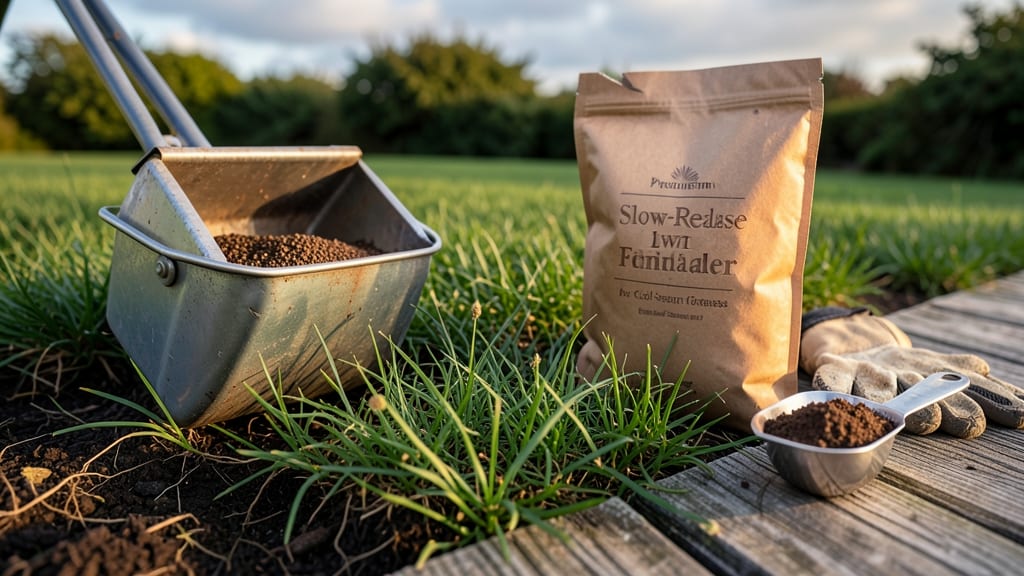
Fertilizing your lawn at the right time is the difference between a vibrant green carpet and a patchy, struggling yard—especially in USDA Zone 6 where seasons shift quickly.
Picture this: You’ve just spread fertilizer in late summer, only to watch your grass turn yellow by fall. Or you skip spring feeding and weeds take over by June. Timing matters more than most gardeners realize, and one wrong move can cost you both money and months of recovery.
Cool-season grasses like Kentucky bluegrass need feeding in early spring and fall, while warm-season types like Bermuda thrive with summer applications. But climate, soil, and even rainfall can shift those windows by weeks.
Below, I break down the exact schedule for your lawn type, plus how to adjust for drought, heatwaves, or unexpected frosts.
You’ll learn when to feed, how often, and the one trick to avoid over-fertilizing—so your lawn stays lush without burning. Let’s get started.
Best fertilization schedule by grass type: cool-season vs warm-season grasses
Choosing the right fertilization schedule depends entirely on your grass type and local climate. Cool-season grasses like Kentucky bluegrass and fescue thrive in spring and fall, while warm-season types such as Bermuda and Zoysia need feeding in late spring and summer.
Timing matters—apply fertilizer when your grass is actively growing, not during dormancy, or you risk burning roots or wasting nutrients.
For northern regions (USDA zones 3-6), focus on early spring and fall applications for cool-season grasses. In southern zones (7-10), late spring and early summer are critical for warm-season grasses.
Always adjust for local rainfall and soil temperature—over-fertilizing in drought or under-fertilizing in humid climates both spell disaster for your lawn.
🌱 Key Rule: Never fertilize when grass is dormant or under stress (e.g., during heatwaves or frost). This ensures nutrients are absorbed efficiently and don’t harm your lawn.
For cool-season grasses, the first fertilization should happen in early spring (March-April in northern zones) to kickstart growth after winter dormancy. A second application in late summer (August-September) helps recover from heat stress, while a third feeding in fall (September-October) strengthens roots before winter.
Use a slow-release fertilizer with high nitrogen (e.g., 30-0-4) for best results.
Warm-season grasses like Bermuda and Zoysia need their first feeding in late spring (May-June) when soil temperatures reach 65°F+. A second application in early summer (June-July) supports rapid growth, and a final feeding in early fall (September) prepares them for dormancy. Opt for quick-release fertilizers in summer to meet immediate nutrient demands, but switch to slow-release in fall to avoid winter burn.
In transition zones (6-7), where both grass types grow, split your schedule: fertilize cool-season grasses in spring/fall and warm-season grasses in summer. For example, apply Kentucky bluegrass fertilizer in March and September, then switch to Bermuda fertilizer in May and July.
This hybrid approach keeps both types thriving without overlapping nutrient stress.
Always water deeply after fertilizing to help nutrients penetrate the soil. In drought-prone areas, reduce summer feedings and increase watering to prevent fertilizer burn. For humid climates, apply fertilizer in the early morning
How climate zones shift fertilizer timing: what to adjust in hot vs cold regions
Your USDA climate zone determines when to fertilize your lawn, as temperature and rainfall drastically alter grass growth patterns. In cold regions (zones 3-6), cool-season grasses like Kentucky bluegrass thrive with early spring and fall feedings, while warm-season grasses (zones 7-10) like Bermuda need summer fertilization.
Transition zones (6-7) require hybrid schedules to avoid shocking grass during abrupt climate shifts.
Soil temperature is your best guide: fertilize when it hits 55°F for cool-season or 65°F for warm-season grasses. In drought-prone areas (zones 8-10), reduce frequency to prevent stress, while humid climates (zones 4-7) may need lighter applications to avoid fungal growth.
Always check for soil moisture before applying—waterlogged soil delays nutrient uptake.
| Climate Zone | Best Fertilization Windows | Adjustments for Rainfall | Soil Temp Cue |
|---|---|---|---|
| Zones 3-4 (Cold) | Early May, Late Aug-Sept | Delay after heavy snowmelt | 50-55°F |
| Zones 5-6 (Transition) | Late April, June, Sept | Split doses in wet springs | 55-60°F |
| Zones 7-8 (Warm) | May-June, Aug-Sept | Reduce in monsoon seasons | 65-70°F |
| Zones 9-10 (Hot/Dry) | April-May, Sept-Oct | Use slow-release only | 70-75°F |
In drought-prone zones (8-10), prioritize deep watering 24 hours before fertilizing to help roots absorb nutrients. For humid zones (4-7), choose fungus-resistant fertilizers like iron-based options to prevent brown patch disease. Always mow high (3-4 inches) before fertilizing to reduce stress on grass blades.
Watch for local weather patterns: if your area experiences sudden frost in zone 7, shift to a cool-season schedule. Similarly, zone 6 lawns with mild winters may benefit from a warm-season grass mix with adjusted timing.
Use a soil thermometer ($15 at garden centers) to confirm temperatures before applying fertilizer.
Over-fertilizing in hot climates burns grass, while under-fertilizing in cool regions leads to weak growth. Start with half the recommended dose in transition zones (6-7) to test your lawn’s response. Adjust based on growth rate and color vibrancy—dark green indicates success, while yellow or brown signals overuse.
Pro tip: In zone 5-6, apply winterizer fertilizer in late fall (Nov) to build root strength before dormancy. For zone 8-10, a light summer feeding in July supports heat recovery. Always water deeply after fertilizing to activate nutrients and prevent runoff.