
Fertilization
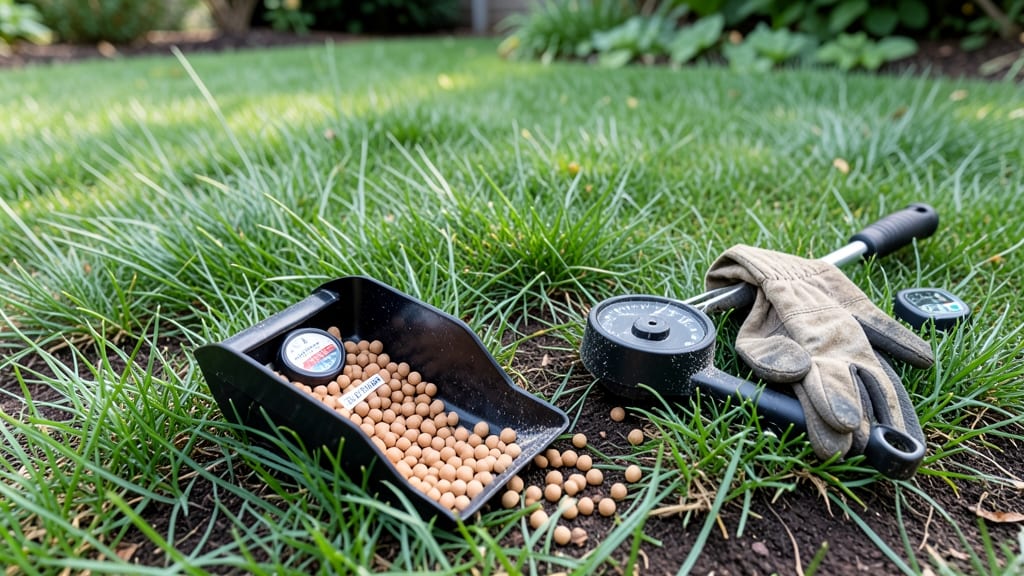
To fertilize a new lawn at the right time means the difference between lush, green grass and a patchy, struggling yard 🌱 — and the clock starts the moment you seed.
Here’s the catch: most homeowners wait too long, thinking a little extra nitrogen will speed things up. But overdoing it early can burn tender roots, while skipping the first critical window means your grass fights for nutrients instead of thriving.
The best timing depends on your grass type, climate, and even soil conditions.
Cool-season grasses like Kentucky bluegrass need that first light feeding as soon as they sprout, while warm-season types like Bermuda should wait until after germination. I’ll walk you through the exact months, fertilizer types, and application tricks to avoid common mistakes and get your lawn off to the strongest start.
By the end, you’ll know not just when to fertilize, but how much and why—so you can skip the guesswork and grow grass that’s the envy of the neighborhood.
Critical fertilization windows by grass type: cool-season vs warm-season
Understanding your grass type’s growth cycle is the first step to a lush, healthy lawn. Cool-season grasses like Kentucky bluegrass and fescue thrive in moderate temperatures, while warm-season grasses such as Bermuda and Zoysia prefer hotter conditions.
Fertilizing at the wrong time can stress your lawn or even kill delicate seedlings. Let’s break down the critical fertilization windows for each type to ensure your new lawn gets the nutrients it needs when it needs them most.
For cool-season grasses, the ideal fertilization window is early spring (March-April) and early fall (September-October).
These months align with their natural growth spurts, helping roots establish before summer dormancy or winter slowdown. Warm-season grasses, on the other hand, should be fertilized in late spring (May-June) and summer (July-August) to fuel rapid growth during peak heat.
Skipping these windows means missing the opportunity to maximize root depth and color.
New lawns require special attention. A starter fertilizer with high phosphorus (e.g., 10-20-10) should be applied at seeding to encourage root development. However, avoid overdoing it—too much phosphorus can burn tender seedlings.
For established lawns, switch to a balanced fertilizer (e.g., 20-5-10) during the recommended windows to maintain vigor without risking salt buildup.
| Grass Type | Critical Fertilization Windows | Starter Fertilizer Timing | Maintenance Fertilizer Timing | Avoid Fertilizing When |
|---|---|---|---|---|
| Cool-Season (Kentucky Bluegrass, Fescue) | Early Spring (March-April), Early Fall (September-October) | At seeding or 4-6 weeks post-germination | Every 6-8 weeks during growing season | Summer heat (June-August), Winter dormancy (Nov-Feb) |
| Warm-Season (Bermuda, Zoysia) | Late Spring (May-June), Summer (July-August) | At seeding or 3-4 weeks post-germination | Every 4-6 weeks during peak growth | Fall (Sept-Oct), Winter (Nov-Feb) |
Timing isn’t just about the season—it’s also about the growth stage of your lawn. For new seed germination, apply a light starter fertilizer immediately after seeding to jumpstart root growth. Once seedlings reach 2-3 inches tall, switch to a balanced fertilizer to support top growth.
Over-fertilizing at this stage can lead to nutrient burn, leaving brown patches where your lawn should be green.
Established lawns benefit from a split fertilization schedule. For cool-season grasses, divide applications into 4-5 feedings between spring and fall. Warm-season grasses need 3-4 feedings during their active growing months.
Always water deeply after fertilizing to help nutrients penetrate the soil and reach roots. Shallow watering washes fertilizer away, wasting your investment and polluting groundwater.
Regional climate plays a role too. In northern states, cool-season grasses dominate, so focus on spring and fall fertilization. In southern states, warm-season grasses like Bermuda thrive with summer feedings.
If you’re in a transition zone (e.g., USDA Zone 6-7), consider overseeding warm-season grass with ryegrass in fall for year-round coverage. This hybrid approach requires adjusting your fertilization timeline to accommodate both grass types.
Don’t forget about organic options. Slow-release fertilizers like composted manure or fish emulsion provide steady nutrients without the risk of burn. These are especially useful for new lawns, where synthetic fertilizers can be too harsh.
For established lawns, a mix of synthetic and organic fertilizers can balance immediate needs with long-term soil health.
Watch for signs your lawn is hungry or overfed. Yellowing grass may indicate nitrogen deficiency, while brown patches could mean over-fertilization or drought stress. Adjust your schedule based on these cues—your lawn’s color and resilience will thank you.
Consistency is key: stick to the critical windows for your grass type, and you’ll see deeper roots, richer color, and a lawn that stands up to foot traffic and weather.
Pro tip: Mark your calendar with fertilization reminders tied to your grass type’s growth cycle. Set a weather alert for rain after fertilizing to avoid runoff. With the right timing and care, your new lawn will go from bare soil to lush green in no time—without the guesswork. 🌱
Step-by-step fertilization schedule for new lawns: month-by-month guide
A new lawn needs precise fertilization timing to establish strong roots and vibrant growth. The first 4-6 weeks are critical—skipping starter fertilizer can leave your grass weak and patchy. I’ve broken down the exact schedule, including organic vs. synthetic options, so you can feed your lawn without overdoing it.
Your grass type (cool-season vs. warm-season) dictates the best months to fertilize. Cool-season grasses like Kentucky bluegrass thrive with early spring and fall feedings, while warm-season grasses like Bermuda need late spring and summer applications. Let’s dive into the step-by-step timeline to keep your lawn lush.
When to Fertilize a New Lawn: Step-by-Step
-
Step 1: Apply Starter Fertilizer at Seeding
Use a high-phosphorus (P) fertilizer (e.g., 10-20-10) when sowing seeds. This promotes root development. Apply 1 lb per 100 sqft and water lightly.
-
Step 2: First Feeding (4-6 Weeks Post-Seeding)
Switch to a balanced fertilizer (e.g., 16-4-8) for established growth. Apply 0.5 lb per 100 sqft in early spring (March-April) for cool-season grasses.
-
Step 3: Summer Maintenance (6-8 Weeks After Step 2)
For warm-season grasses, apply a slow-release fertilizer (e.g., 15-5-10) in late spring (May-June). Cool-season lawns may need a light feeding in July.
-
Step 4: Fall Boost (Early September)
Apply a low-nitrogen fertilizer (e.g., 12-0-12) to strengthen roots before winter. Use 0.3 lb per 100 sqft for both grass types.
-
Step 5: Winter Dormancy (Skip Fertilizing)
Avoid fertilizing during dormancy (November-February). Overfeeding can burn roots and encourage fungal growth.
Organic options like composted manure or fish emulsion work well for starter fertilizer, while synthetic granules offer precise NPK control. Always water deeply after application to activate nutrients and prevent runoff.
Timing is everything—fertilizing too early can burn young seedlings, while waiting too long delays growth. Stick to this schedule, and your lawn will establish 2-3x faster with fewer weeds and thicker blades.
Pro tip: Test your soil first! A pH of 6.0-7.0 ensures nutrients absorb properly. Adjust lime or sulfur if needed before fertilizing.