
Lawn
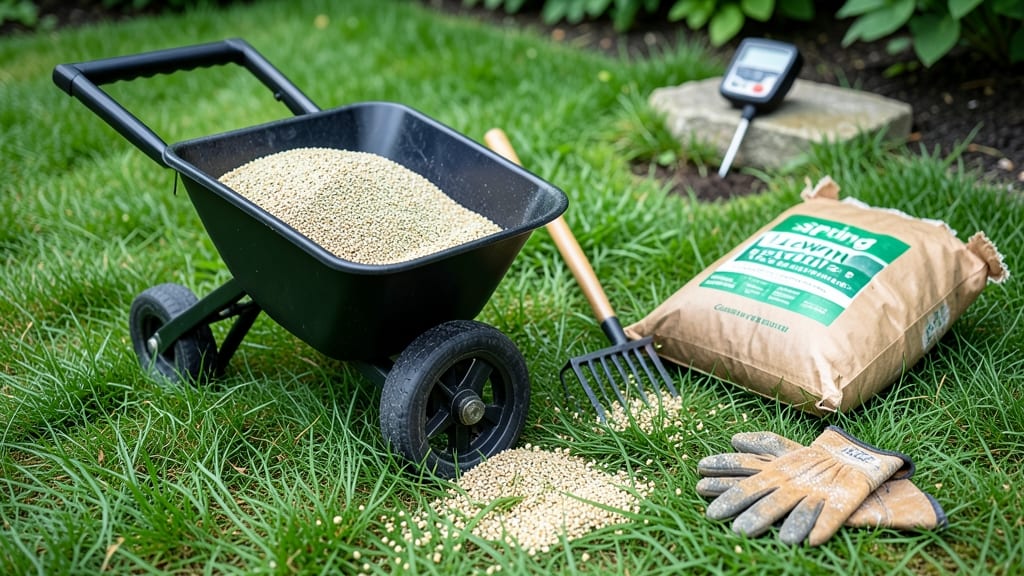
Fertilizing lawn grass in spring at the right time is the difference between a vibrant green carpet and a patchy, weak yard that struggles all season.
Timing your spring lawn fertilization wrong can mean wasted money—or worse, stunted grass growth. But get it right, and you’ll unlock a lush, weed-resistant lawn all season long.
Most lawns need their first feeding in early spring, when temperatures hit 50-65°F and grass starts actively growing again. This is especially true in USDA Zone 6a, where cool-season grasses like Kentucky bluegrass and fescue thrive with a little extra boost before summer heat sets in.
Below, I’ll break down the exact months to fertilize based on your climate zone, how to prep your lawn for the best results, and the one mistake that ruins even the best fertilizer application.

Best months to fertilize lawn in spring by U.s. climate Zones
Spring is the perfect time to give your lawn the nutrients it needs to thrive—but timing matters more than you might think. Fertilizing too early can waste money, while waiting too long lets weeds take over.
The key is aligning your schedule with your U.S. climate zone and grass type. Cool-season grasses like Kentucky bluegrass and fescue need feeding early, while warm-season grasses like Bermuda or Zoysia wait until soil warms up.
Ideal soil temperatures for spring fertilization range between 50-65°F. In colder northern states, this means waiting until late April or early May, while southern regions can start as early as February or March.
Even a 10°F difference can mean the difference between a lush lawn and wasted fertilizer. Let’s break down the best months for each zone to ensure you’re fertilizing at peak performance.
| U.S. Climate Zone | Grass Type | Best Fertilization Month | Ideal Soil Temp | Key Cue for Timing |
|---|---|---|---|---|
| Northern States (Zones 3-5) | Cool-season (Tall Fescue, Kentucky Bluegrass) | Late April - Early May | 50-55°F | Daffodils bloom |
| Midwest (Zones 6-7) | Cool-season (Perennial Ryegrass, Fine Fescue) | Early April - Mid-May | 55-60°F | Daytime highs reach 65°F |
| Southern States (Zones 8-10) | Warm-season (Bermuda, Zoysia, St. Augustine) | February - Early March | 60-65°F | Pansies wilt in afternoon sun |
| Southwest (Zones 9-11) | Warm-season (Buffalo Grass, Centipede) | January - February | 55-60°F | Nighttime lows stay above 45°F |
| Transition Zones (Zones 7-8) | Cool/Warm Mix (Tall Fescue + Bermuda) | Late March - Early April | 50-60°F | Daytime temps consistently 60°F+ |
In northern states (Zones 3-5), cool-season grasses wake up slowly after winter. Wait until soil temperatures reach 50-55°F, typically late April or early May. A simple trick: fertilize when daffodils bloom—this natural cue signals your grass is ready to grow.
Applying fertilizer too early can burn tender roots still recovering from dormancy.
For Midwestern states (Zones 6-7), aim for early April to mid-May when soil hits 55-60°F.
Look for daytime highs consistently above 65°F—this means your grass is actively growing. Perennial ryegrass and fine fescue respond best to this timing, while Kentucky bluegrass may need a second feeding in early summer.
Southern lawns (Zones 8-10) thrive with early spring fertilization in February or March when soil warms to 60-65°F. Warm-season grasses like Bermuda and Zoysia need this jumpstart to outcompete weeds.
Watch for pansies wilting by afternoon—this signals it’s time to feed. Over-fertilizing here can lead to brown patch fungus in humid climates.
In the Southwest (Zones 9-11), where winters are mild, January or February fertilization works best for Buffalo grass or Centipede grass. Focus on nighttime lows staying above 45°F to avoid stressing your lawn. Drought-resistant grasses here benefit from slow-release fertilizers to conserve moisture and reduce runoff.
If you live in a transition zone (Zones 7-8), you might have both cool-season and warm-season grasses. Start with late March to early April fertilization when soil hits 50-60°F. Look for daytime temps consistently above 60°F—this is your green light. Tall fescue
How to tell when your lawn needs fertilizer in spring
Spring is the perfect time to give your lawn the nutrients it craves after winter dormancy, but applying fertilizer too early or without proper prep can backfire. Instead of guessing, watch for these clear signs your grass is begging for a boost.
The key is recognizing visual stress signals and confirming them with a simple soil test.
Start by walking your lawn with fresh eyes—look for pale or yellowing patches that stand out against the green. Healthy grass should have a vibrant dark green color, while nutrient-deficient areas often appear lighter green or straw-colored.
These discolorations are your lawn’s way of signaling nitrogen deficiency, the most common springtime issue after winter’s toll.
🌱 Key Takeaway: 3 Signs Your Lawn Needs Fertilizer
- 🟡 Pale or patchy grass – Indicates nitrogen deficiency
- ⏳ Slow recovery after mowing – Grass stays flat for days
- 🌱 Thin, sparse growth – Bare spots appear despite regular watering
💡 Action Step: Test soil pH (ideal: 6.0-7.0) before fertilizing—acidic or alkaline soil reduces nutrient absorption.
Another red flag is how your lawn behaves after mowing. If blades stay flat for 3+ days instead of bouncing back upright, your grass lacks the energy to recover. This weak growth pattern often means roots aren’t getting enough nutrients to support quick regrowth—a classic sign it’s time for fertilizer.
Don’t ignore thin or bare patches that persist even after overseeding. These spots typically indicate compacting soil or poor nutrition, both of which fertilizer can address. Before applying, aerate the lawn to break up compacted soil and improve nutrient penetration—this step alone can make your fertilizer 30% more effective.
For the most accurate diagnosis, grab a soil test kit (available at garden centers for ~$20). Test for nitrogen (N), phosphorus (P), and potassium (K) levels—most spring lawns need high nitrogen (24-0-5 ratio) to jumpstart growth. If your test shows low nitrogen (<2%), fertilization is absolutely necessary.
Once you’ve confirmed the need, prep your lawn by mowing to 2.5-3 inches (never remove more than ⅓ of the blade at once) and water deeply the night before.
This ensures fertilizer reaches roots, not just surface soil, and prevents burn from dry grass blades. Apply in early morning to avoid evaporation and maximize absorption.