
Lawn
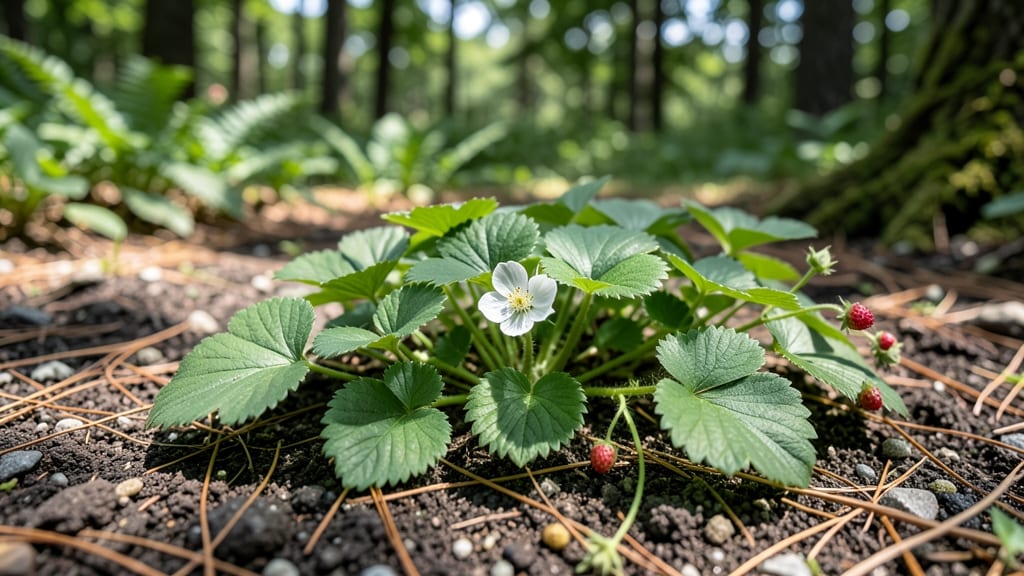
Those tiny wild strawberries creeping through your lawn aren't just weeds—they're edible, pollinator magnets, and surprisingly hard to eradicate without chemicals. 🌱 I've battled them for years, learning that yanking them by the roots only makes them spread faster, while smothering or mulching works better long-term.
The key is understanding their growth cycle and working with it, not against it.
You'll need basic tools: a sharp spade, heavy mulch (straw or wood chips), and a few hours on a calm day when the soil is moist. Timing matters—spring and fall are ideal because the plants are actively growing but not yet setting seed.
The goal isn't just removal but creating an environment where your lawn outcompetes them naturally.
By the end of this, you'll have a lawn that's both lush and wild-strawberry-free, with fewer gaps for them to sneak back in. The secret? A combination of consistent mowing (set blades to 3 inches), thick grass coverage, and strategic mulching around problem areas.
Your lawn will stay green, and you'll still get those sweet little treats if you leave some patches alone.
This method works best in sunny lawns with existing grass—if you're starting from scratch, overseeding first gives you the upper hand. And yes, you can still enjoy the berries if you let a few plants linger at the edges. The balance is everything.
📚 In This Guide
- What you need
- Instructions
- Tips and common mistakes
- Wrapping up and next steps
What you need
- ● Hand trowel or garden fork – For digging up roots and clearing patches (choose a 6-12" blade for precision).
- ● Heavy-duty gloves – Protect your hands from thorns and rough soil (nitrile or leather works best).
- ● Pruners or shears – Sharp, bypass-pruning shears (4-6" blades) for trimming runners and vines.
- ● Lawn rake or dethatcher – A stiff-bristle rake (12-18" width) to clear debris and loosen soil.
- ○ Mulch or landscape fabric – Optional but helpful: 2-3 feet of organic mulch (straw or wood chips) or 3-4mm thick fabric to suppress regrowth.
- ○ Compost or soil amendment – Optional: A 5-gallon bag of compost or peat moss to improve soil health in treated areas.
- ● Watering can or hose with nozzle – For post-treatment hydration (gentle spray setting to avoid disturbing soil).
- ○ String or twine (10-20 ft) – Optional: For marking boundaries if you’re sectioning off areas.
- ● Check the weather: Aim for a dry, overcast day (or early morning) to minimize stress on your lawn.
- ● Clear the area: Remove toys, pets, or obstacles from the treatment zone.
- ● Identify the spread: Scan your lawn for runners (long stems) and berries—these are the main culprits for regrowth.
- ○ Test a small patch: Optional but wise: Try one method (like mulching or digging) on a 1 sq. ft. area first to see results.
How to manage wild strawberries naturally in your lawn
These tiny but tenacious berries can turn your lawn into a lush green carpet—if you let them take over.
🌱 Step 1: Identify and Map the Spread
Start by spotting where the wild strawberries are thriving. Look for small, bright green leaves with three leaflets and delicate white flowers in spring. Walk your lawn and mark the areas with the densest growth using small stakes or a garden flag—this helps you track progress. I like to do this on a sunny afternoon when the plants are most visible.
Notice how they spread: wild strawberries send out long runners (stolons) that root at the nodes. These runners can stretch up to 2 feet from the mother plant, so you’ll need to plan your control strategy around these natural pathways. If you see clusters, focus on the center first—the outermost runners will be easier to manage later.
🌿 Step 2: Hand-Pull or Mow Strategically
For small patches, hand-pulling is the most effective method. Grab the plant at the base where the runner meets the soil and wiggle it free—you’ll feel resistance as you break the roots. Do this after rain when the soil is soft, or water the area first if it’s dry. I always pull in the early morning so the plants have time to recover before the heat of the day.
For larger areas, mowing is your best friend. Set your mower blade to 2-3 inches high and mow frequently—wild strawberries can’t compete with regular mowing. The key is consistency: mow every 7-10 days during their active growing season (spring through early fall). This weakens the plants over time, reducing their ability to spread. Just avoid bagging the clippings—leave them on the lawn to decompose naturally.
✂️ Step 3: Smother or Mulch Problem Areas
In spots where wild strawberries are stubborn, smothering works wonders. Lay down a thick layer of cardboard or newspaper over the area, then cover it with 3-4 inches of mulch (like wood chips or straw). This blocks sunlight, which the plants need to grow. I like to use mulch because it also improves the soil over time—just keep it thick enough to keep light out for at least 4-6 weeks.
For a more gradual approach, apply a thick layer of mulch directly over the runners. This prevents new roots from forming while still allowing grass to grow. Replenish the mulch as it breaks down, and you’ll see the wild strawberries fade away within a season. The best time to mulch is in early spring, just as the plants start to send out new runners.
☀️ Step 4: Encourage Grass Competition
Healthy grass is the best natural deterrent for wild strawberries. Overseed bare or thin spots in your lawn with a high-quality grass seed blend suited to your climate. Water deeply 1-2 times per week for the first 4 weeks to help the grass establish. I use a sprinkler in the early morning to avoid fungal issues from evening moisture.
Fertilize your lawn in early spring with a slow-release, nitrogen-rich fertilizer. This gives your grass the energy to outcompete the wild strawberries for space and nutrients. Avoid over-fertilizing—too much can lead to thatch buildup, which actually helps weeds thrive. A light application every 6-8 weeks keeps your lawn lush without inviting more unwanted guests.
🪴 Step 5: Monitor and Maintain Year-Round
Wild strawberries don’t disappear overnight, so stay vigilant. Check your lawn monthly for new runners, especially in early spring and late summer when growth is most active. Pull any new shoots you spot immediately—they’re easier to remove when young. I set a reminder on my phone for the first and last weekends of each month to stay on top of it.
In fall, as the plants prepare for dormancy, do a final mow and pull any remaining runners. This weakens their root systems before winter, making next year’s control even easier. Over time, with consistent effort, your lawn will naturally reclaim its space, and those pesky wild strawberries will become a distant memory.
Tips & tricks for perfect wild strawberry lawn management
Here's what I've learned after battling these persistent plants in my own yard—these tricks make all the difference.
Timing is Everything: The 7-10 day mowing schedule in Step 2 is crucial because wild strawberries need at least 10 days between mowings to recover. If you can't mow that frequently, consider switching to a shorter grass height (around 1.5 inches) to weaken them faster. I've found that early morning mowing prevents the plants from recovering during the heat of the day, which gives your lawn an extra edge.
Root Resistance Reality: When hand-pulling in Step 2, don't be fooled by what looks like a complete removal. Wild strawberries often leave behind root fragments that can regrow. I learned this the hard way—always double-check by gently tugging on the area again after 2-3 days. If you see any new growth, you'll need to pull those stubborn bits too.
Mulch Mastery: For the smothering technique in Step 3, I've found that combining cardboard with mulch works best when the cardboard is completely covered—even small gaps let light through, and those tiny strawberry shoots will find them. Use a garden rake to press the mulch firmly against the cardboard to eliminate air pockets. This creates a more effective light block and prevents the cardboard from blowing away.
Grass Growth Hack: While overseeding in Step 4, I've had the most success using a mix of cool-season and warm-season grasses tailored to my climate zone. This creates a more competitive environment year-round. For example, in my area, I mix fescue with Bermuda grass to ensure coverage in both spring and summer months when wild strawberries are most aggressive.
Pro Tips for Wild Strawberry In Lawn
- Here's what I've learned after battling these persistent plants in my own yard—these tricks make all the difference.
- Timing is Everything: The 7-10 day mowing schedule in Step 2 is crucial because wild strawberries need at least 10 days between mowings to recover.
- Root Resistance Reality: When hand-pulling in Step 2, don't be fooled by what looks like a complete removal.
Frequently asked questions
Got questions about managing wild strawberries in your lawn?
You’re not alone! Here are some of the most common concerns—and practical solutions—to help you take control naturally.
How do I tell if those tiny red berries are wild strawberries or weeds?
Wild strawberries (Fragaria vesca) have glossy, trifoliate leaves (three leaflets) and small, bright red berries with seeds on the outside. Weeds like clover or chickweed often have broader leaves or different growth habits. If in doubt, pluck one and check the leaf structure—wild strawberries are delicate and fragrant!
When is the best time to remove wild strawberries from my lawn?
The ideal window is late spring to early summer, just as they start flowering but before they produce berries. This prevents seed spread. For established patches, repeat in early fall. Avoid winter removal—frozen roots make extraction harder, and new shoots may sprout aggressively in spring.
Will vinegar or boiling water kill wild strawberries without harming grass?
Yes! A 10% vinegar solution (1 part white vinegar to 1 part water) sprayed directly on leaves works well for small patches. For stubborn roots, boil water and pour it into the base of the plant. Test a small grass area first—vinegar can bleach grass if overused. Reapply every 2–3 days until growth stops.
Can I turn wild strawberries into a lawn alternative instead of removing them?
Wild strawberries create a low-growing, drought-tolerant ground cover that thrives in partial shade. Mow them short (2–3 inches) to keep them tidy, and enjoy their edible berries. Just thin them out if they spread too aggressively. They’re a great option for "no-mow" lawns or under fruit trees!
Why do wild strawberries keep coming back even after I pull them?
Wild strawberries spread via runners (stolons) and seed. Pulling alone won’t stop them—always dig out the entire root system (even small pieces regrow). For persistent patches, smother with cardboard or mulch for 3–4 weeks to block sunlight. Repeat treatments may be needed in spring and fall.
Wrapping up and next steps
Discovering wild strawberries popping up in your lawn isn’t just a charming surprise—it’s nature’s way of adding beauty and even edible treats to your outdoor space! By using natural methods like mulching, hand-pulling, or strategic mowing, you can keep their spread in check without harsh chemicals.
These little berries are resilient, but with the right techniques, you can strike a balance that lets them thrive where you want them while keeping them from taking over.
Ready to give it a try? Start small—pick a sunny corner of your lawn, gather your tools, and experiment with one or two of these methods. Before you know it, you’ll have a lawn that’s as functional as it is full of life! 🌱✨