
Plants
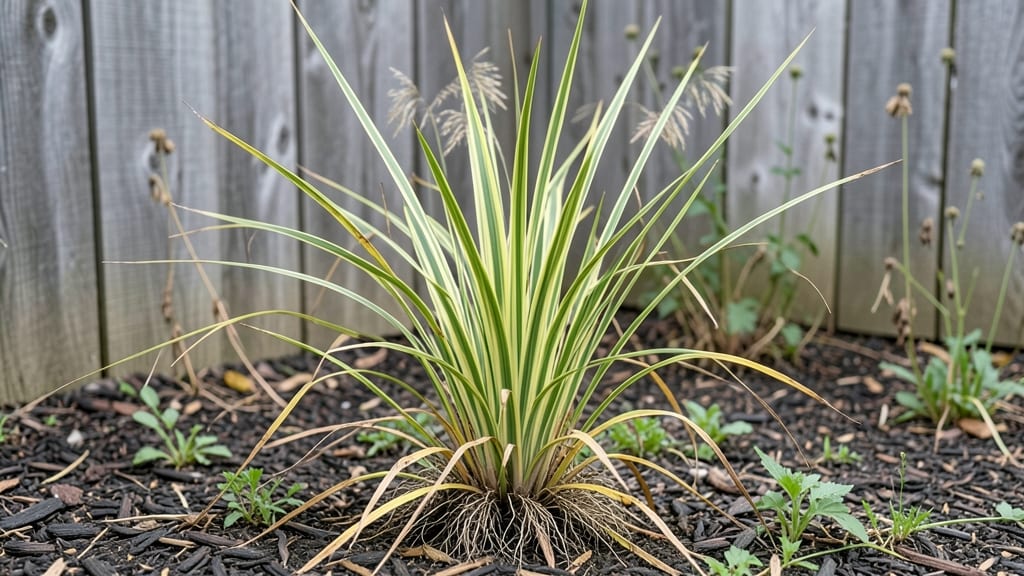
Mastering zebra grass winter care in USDA Zone 6a and colder can transform your garden from patchy to thriving year-round.
Zebra grass thrives year-round, but winter care is where most gardeners hit a snag. Too much snow, and the crown rots; too little protection, and frost burns the striped blades. The key? A mix of smart mulching, strategic pruning, and knowing when to step back and let nature take over.
If you’ve ever watched your zebra grass turn brown by late fall, only to wonder if it’s dead or just dormant, you’re not alone. The truth is, this ornamental grass is tougher than it looks—but it still needs a little help from you to bounce back in spring.
Here’s exactly how to prepare your zebra grass for winter, spot early signs of trouble, and keep it looking sharp until the first thaw. No guesswork, just proven steps for a lush, cold-resistant lawn all season long.
How cold can zebra grass tolerate? Winter hardiness zones explained
Zebra grass (Miscanthus sinensis 'Zebrinus') is one of the hardiest ornamental grasses, but its cold tolerance depends on your USDA hardiness zone and winter conditions. Unlike tender tropical plants, zebra grass thrives in zones 5-9, making it ideal for most U.S. climates.
However, extreme cold snaps or prolonged frost can still stress it without proper care. Understanding its limits helps you prepare for winter without overprotecting.
In USDA zones 6-9, zebra grass enters natural dormancy in winter, surviving temperatures down to -10°F (-23°C). The real challenge comes in zone 5, where temperatures can drop below -20°F (-29°C).
Without snow cover, younger plants or newly established clumps may suffer frost damage, but mature specimens often bounce back. The key is knowing your zone’s average winter lows and adjusting care accordingly.
Here’s how zebra grass performs across zones, including signs of stress and recovery tips:
If you’re in zone 5, focus on protecting young plants with a 3-inch layer of straw mulch around the base. Avoid heavy mulch in warmer zones, as it can suffocate roots.
In zones 6-7, zebra grass rarely needs protection—just reduce watering as soil freezes. The biggest mistake gardeners make is over-pruning in winter, which removes insulating dead fronds.
Look for frost damage signs like brown, mushy stems or blackened foliage. Unlike natural dormancy (where fronds turn tan but stay upright), damaged areas collapse or rot.
In zone 5, wait until late April to prune—earlier cuts remove protective layers. For zones 6-9, prune in early spring to encourage fresh growth.
Snow acts as natural insulation, so shovel it away only if it’s heavy and compacted (which can break stems). In windy areas, consider a burlap windbreak to reduce desiccation.
Zebra grass in containers needs extra care—wrap pots in bubble wrap and move them to a sheltered spot if temperatures drop below 10°F (-12°C).
Test your zebra grass’s winter readiness by checking soil moisture in late fall. Overwatered roots freeze more easily, so reduce irrigation by 50% once nighttime temps drop below 40°F (4°C).
In zone 9, where frosts are rare, focus on weed control—competition stresses the plant more than cold does.
Pro tip: Plant zebra grass in well-draining soil with a slightly acidic pH (6.0-7.0). Poor drainage causes root rot, which is deadlier in winter than cold itself. Amend clay soil with compost or sand before the first frost to improve airflow around roots.
With the right zone knowledge, zebra grass becomes a low-maintenance winter star. Even in harsh climates, its striped foliage adds texture to snowy landscapes. Start by identifying your USDA zone (use the USDA Plant Hardiness Zone Map), then adjust care based on the table above.
Your zebra grass will thank you with vibrant regrowth come spring!
Step-by-step winter preparation: protecting zebra grass from frost
As temperatures drop, your zebra grass needs a little extra love to survive winter. The key is balancing protection and natural dormancy—too much cover can smother roots, while too little leaves it vulnerable to frost damage.
Start preparing in late fall, when nighttime temps consistently dip below 50°F, but before the first hard freeze.
I’ve learned the hard way that skipping these steps can leave your grass looking ragged by spring. The good news? With a few simple adjustments—like adjusting your watering schedule and choosing the right mulch material—you’ll wake up to vibrant stripes come spring.
Let’s break it down into clear, actionable steps to keep your zebra grass healthy and resilient.
Let the grass grow to its natural winter height (about 12 inches) to insulate the crown. Use sharp mower blades to avoid tearing leaves, which can invite disease.
Improve drainage with a core aerator to prevent waterlogging. Compacted soil traps cold, which can freeze roots. Do this 4-6 weeks before winter to allow recovery.
Use straw (not leaves)—it decomposes slowly and won’t mat down like shredded leaves. Spread evenly over the soil surface, avoiding direct contact with the grass blades.
Switch to deep, infrequent watering to prevent soil saturation. Wet soil freezes faster than dry soil, so aim for 1 inch of water every 4-6 weeks unless snow covers the ground.
In zones colder than Zone 5, drape a breathable frost cloth over clumps during prolonged sub-zero temps. Remove it during the day to prevent overheating.
One common mistake I see is over-mulching with leaves. While leaves look like free mulch, they compact and create a suffocating layer that traps moisture—perfect conditions for rot. Stick to straw or even shredded bark for better airflow and insulation.
If you’re in a region with heavy snowfall, avoid piling snow directly onto your zebra grass. Instead, let snow accumulate naturally—it acts as a freeze-proof blanket. Just brush it off occasionally to check for mold or pests lurking underneath.
With these steps, your zebra grass will emerge in spring ready to show off its signature stripes. The key is consistency—don’t wait until the first frost to act. Start early, and your grass will thank you with vibrant, healthy growth all season long. 🌱