
Mower
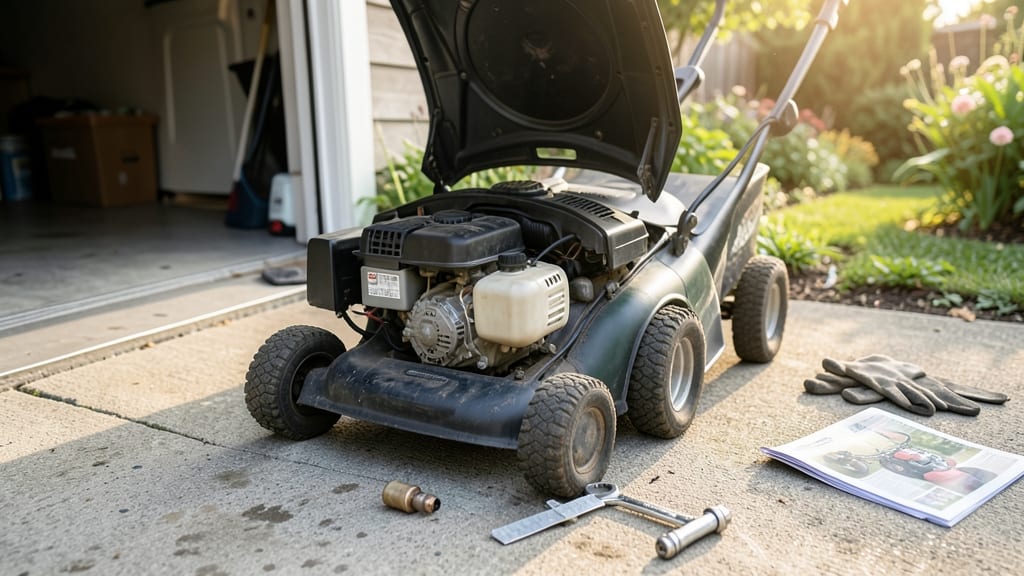
Setting the correct lawn mower spark plug gap—typically between 0.025 to 0.035 inches (0.6 to 0.9 millimeters)—ensures smooth engine operation and prevents misfires. Always check your engine manual for model-specific requirements before adjusting.
Getting this measurement right isn't just about following a number—it's about maintaining the precise air-fuel ratio your engine needs to run efficiently. 🔧 A gap that's too wide can cause weak sparks and poor combustion, while one that's too narrow leads to overheating and carbon buildup.
I've found that most modern lawn mowers fall within this standard range, but older models or high-performance engines might require slightly different specs. The key is using a quality feeler gauge or calipers to verify the gap, as visual inspection alone can be misleading due to wear or debris.
Pro tip: If you're unsure about your specific model's requirements, your engine manual will always have the exact specification. And remember—precision matters! Even a slight deviation can affect performance over time.
💡 In This Article
- How to Measure and Adjust Spark Plug Gaps Properly
- Best Tools for Setting Lawn Mower Spark Plug Gaps
How to measure and adjust spark plug gaps properly
The spark plug gap is the tiny space between the center and side electrodes that allows the spark to jump during combustion. For lawn mowers, this gap must be precise—too wide, and the spark won't bridge it; too narrow, and it can cause overheating or fouling.
The 0.025 to 0.035 inch range is standard, but your engine manual may specify a slightly different measurement, like 0.030 inches for high-performance models. Always start by checking your manual, as some manufacturers adjust specs based on engine design.
To measure accurately, use a feeler gauge, which comes with multiple thin metal strips of known thickness. Slide the appropriate strip into the gap—the strip should fit snugly without bending. If it's too loose, the gap is too wide; if it's too tight, the gap is too narrow.
For visual confirmation, hold the plug up to a bright light—you should see a thin, even gap without debris blocking the space. Never rely on a ruler or calipers without a gauge, as these tools can't provide the same tactile precision for such small measurements.
Adjusting the gap requires patience. Bend the side electrode outward (never inward) using pliers to widen the gap or inward to narrow it. Apply gentle pressure—just enough to make the adjustment—and check frequently with your gauge.
A common mistake is overbending, which can weaken the electrode. Once set, clean the plug with a wire brush to remove any metal shavings from bending, as these can interfere with future spark generation. 🔧
Troubleshooting is key when gaps seem off. If your mower runs poorly after adjustment, check for debris in the gap or uneven electrode wear. Some plugs have adjustable side electrodes, while others require replacement if damaged.
For stubborn gaps, a digital caliper can provide more precise readings, though feeler gauges remain the industry standard for quick checks. Always work on a clean surface to avoid dirt contamination during adjustments.
Precision in this process directly impacts engine performance. A properly gapped plug ensures complete combustion, better fuel efficiency, and longer engine life. I've seen mowers with incorrect gaps develop carbon buildup or misfire—symptoms that often disappear once the gap is corrected.
The time spent measuring accurately now can save hours of frustration later when your mower runs smoothly all season long.