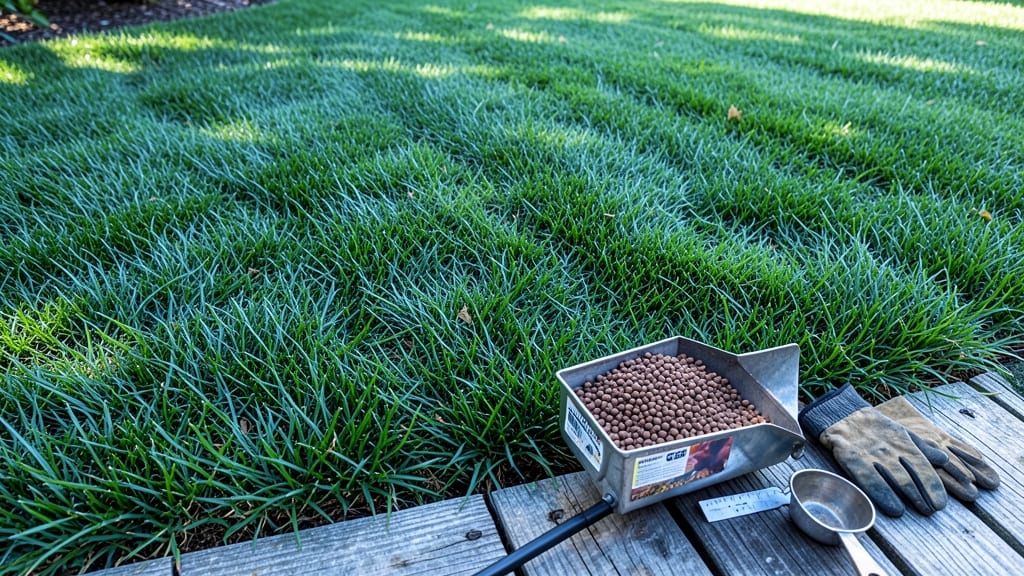
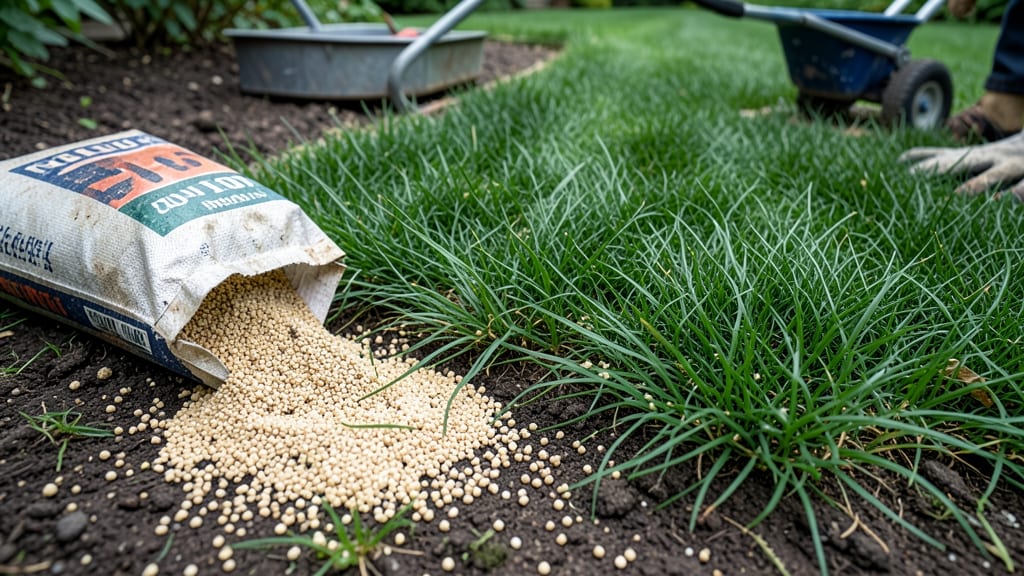
💥 Quick Answer To fertilize lawns in North Texas, time it for early spring (March) and late summer (August) when soil temperatures stay between 60-75°F and rainfall is consistent. This timing prevents grass root burn…
To fertilize lawn in Massachusetts at the right time means feeding your grass just as it wakes up from winter or prepares for dormancy—timing that can make or break your yard’s health. Massachusetts homeowners know a…
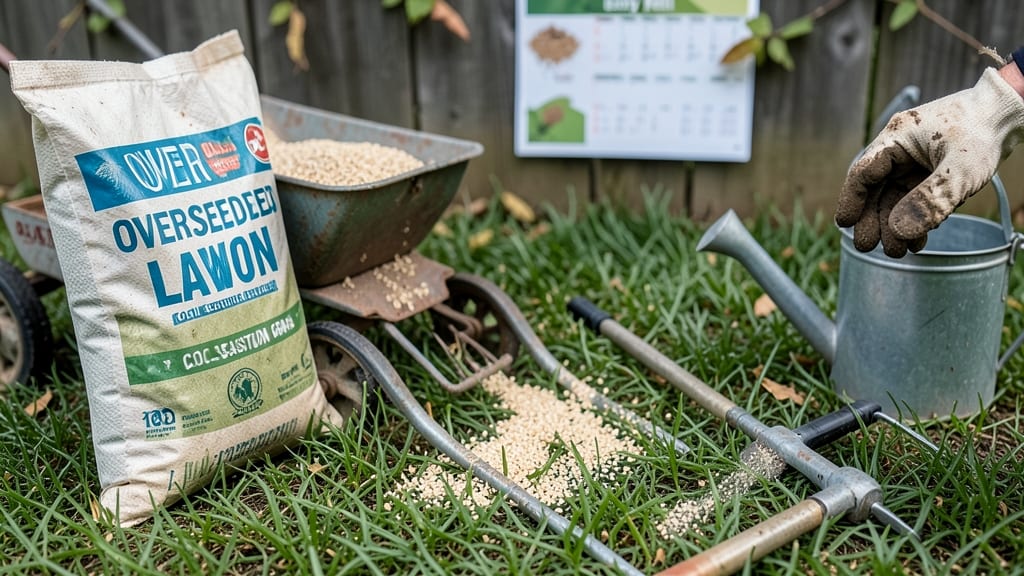
💥 Quick Answer To fertilize an overseeded lawn, wait 6-8 weeks after seeding when new grass shows active growth. Cool-season grasses thrive with fall applications, while warm-season grasses need spring or early summer…
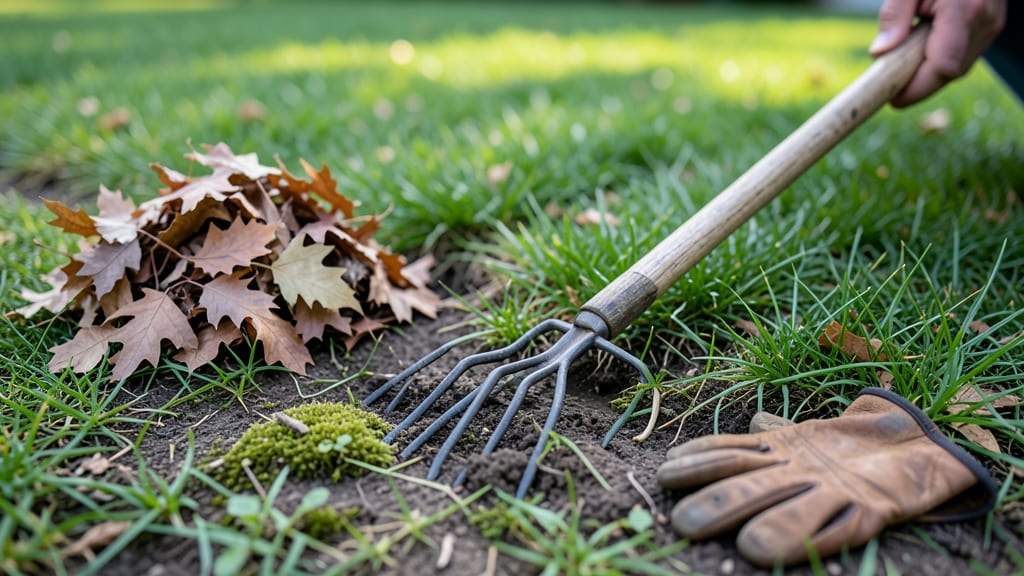
💥 Quick Answer The leaves are good for your lawn when applied correctly, serving as natural mulch that locks in moisture and adds organic nutrients—but they must be shredded first to prevent suffocating grass and…
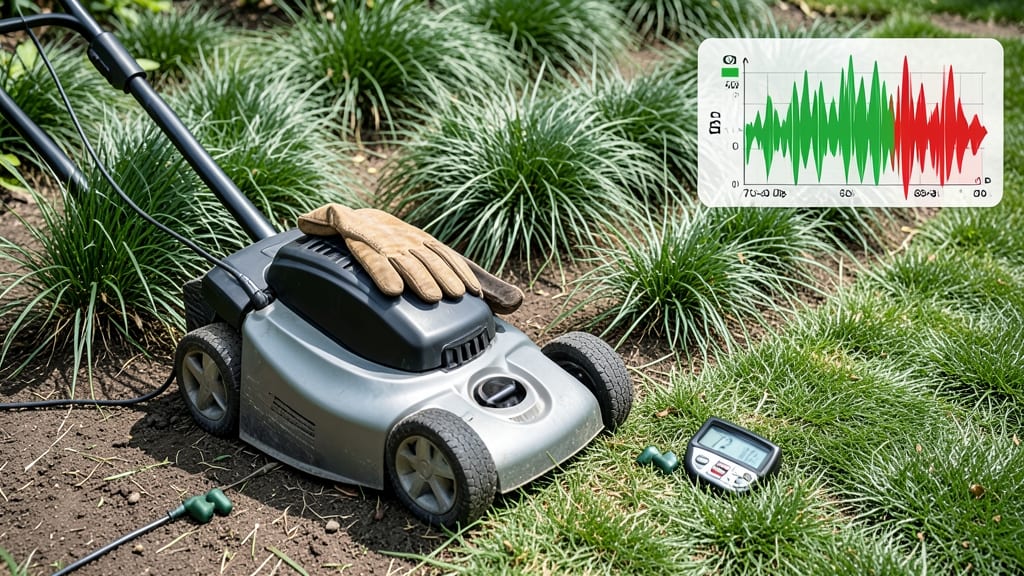
💥 Quick Answer How loud is a lawn mower? The noise levels typically range between 70–90 decibels , with gas-powered models usually generating 80–90 dB —equivalent to a chainsaw—while electric mowers usually stay in the…
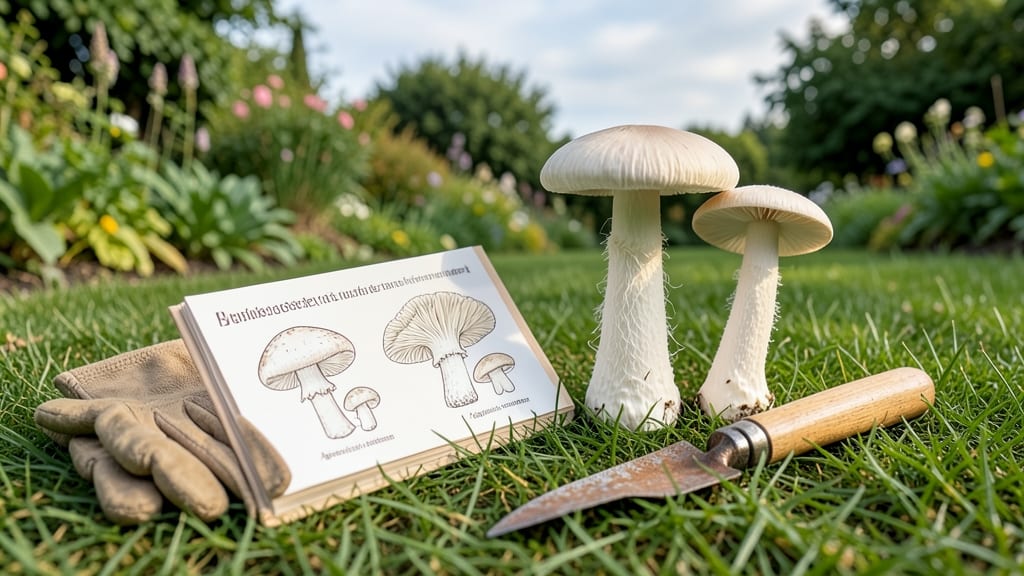
💥 Quick Answer Lawn mushroom types range from edible varieties like meadow mushrooms and shaggy ink caps to highly toxic species such as death caps and destroying angels. Positive identification is essential before…
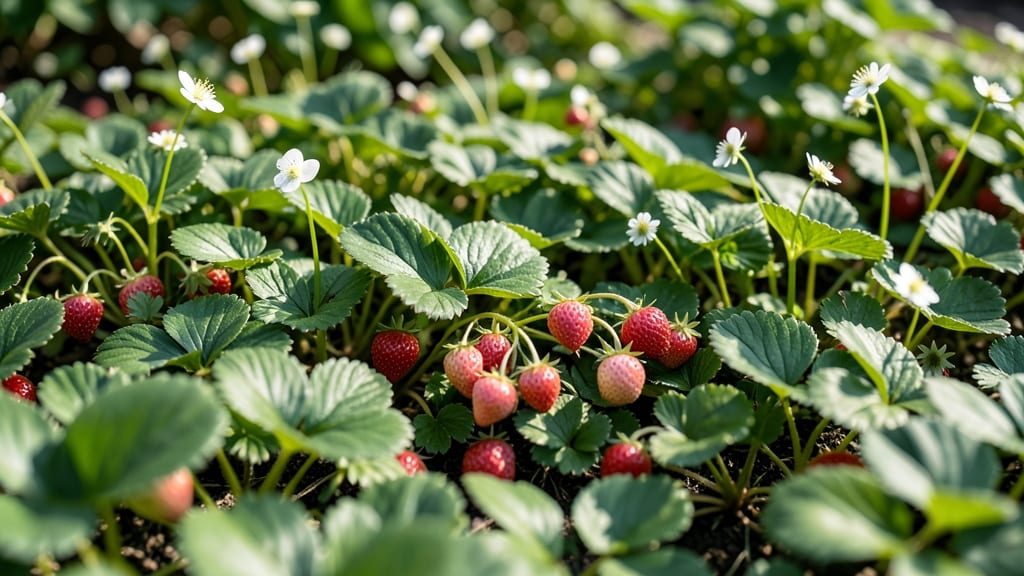
Tired of mowing, watering, and fertilizing grass that still looks patchy? These 10 lawn replacement ground covers deliver year-round beauty, drought resistance, and minimal upkeep—while outperforming traditional grass in…
Tired of endless mowing and boring green lawns? These 10 low-growing wildflower mixes transform your yard into a vibrant, eco-friendly ecosystem that thrives with minimal care while supporting pollinators and reducing…
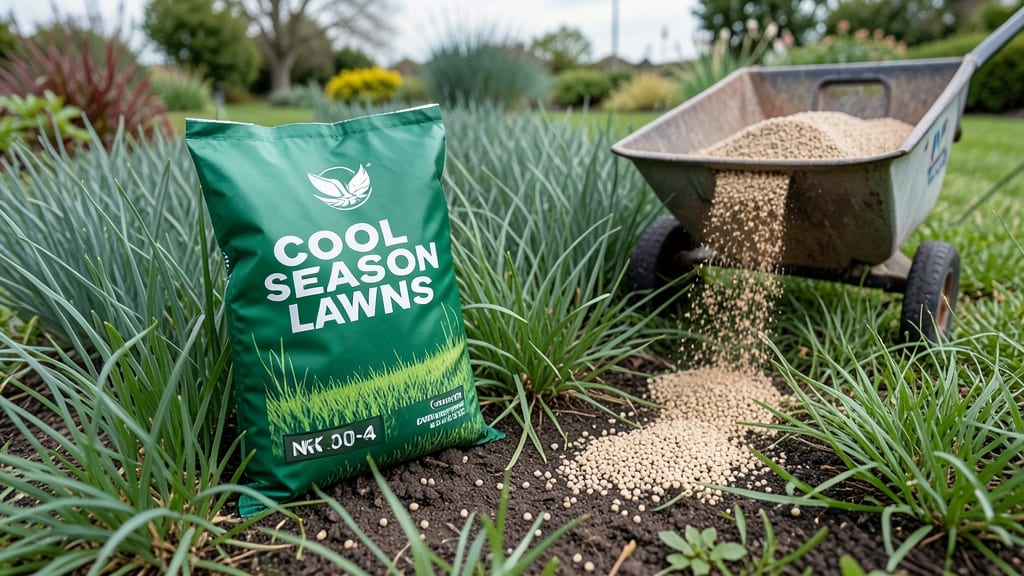
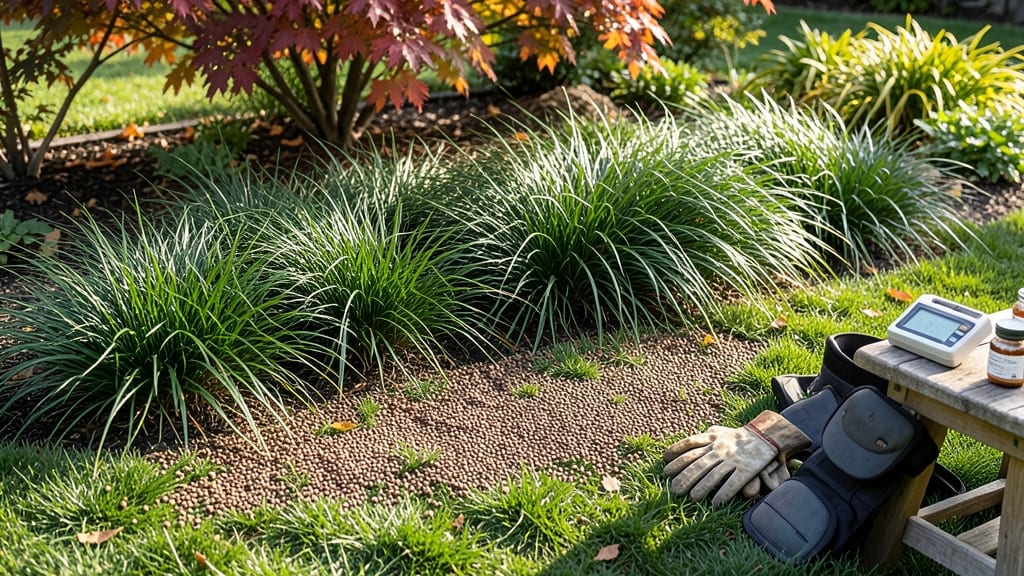
Fertilizing your lawn in the fall is the best way to build roots and color for next spring—but if you wait too late or apply the wrong type, you’ll waste money or even stress your grass. Picture this: you’ve spent all…
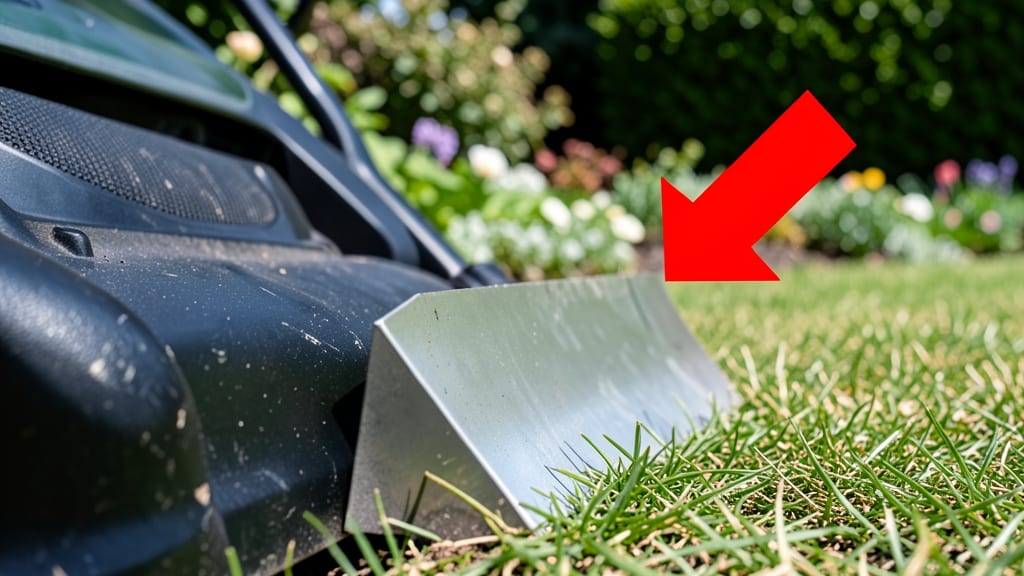
💥 Quick Answer To get the best results when installing a lawn mower blade, the sharp side should always face up toward the grass, ensuring smooth cuts that keep your lawn looking its best. The beveled edge should angle…
I’ve always had a green thumb—my earliest memories are of sneaking seeds from my grandma’s garden to plant in the dirt behind our house. Now, I run *Lawn Daily* to share the joy of growing things, whether it’s coaxing tomatoes from stubborn seedlings or turning a patch of weeds into a thriving herb bed.
My approach? No jargon, just real advice from someone who’s gotten dirt under their nails more times than they can count.