
Lawn
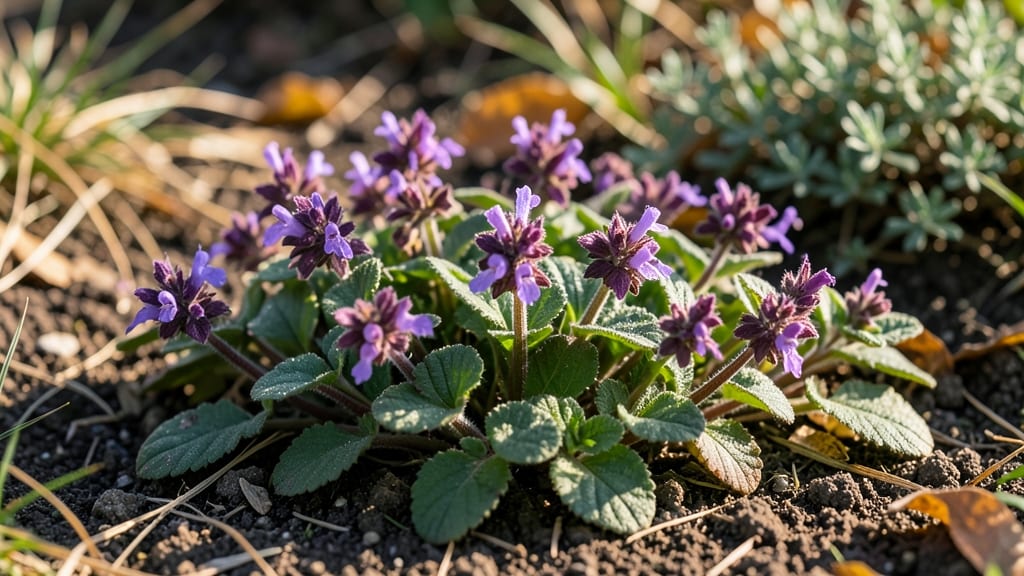
That purple-colored weed creeping into your lawn isn’t just unsightly—it’s a sign your grass is fighting for dominance. 🌱 I’ve wrestled with clover, henbit, and chickweed (all common purple culprits), and the key to winning this battle starts with proper identification and a few targeted moves.
Most people mistake purple flowers for weeds, but these tenacious invaders spread fast when ignored.
The real culprits—like creeping Charlie or purple deadnettle—thrive in thin grass, compacted soil, or shady spots where your lawn struggles. They steal nutrients and water, leaving behind those telltale purple patches that scream, “I own this yard now.” The good news?
A quick pre-emergent treatment in early spring or spot-treating with vinegar (for organic control) can turn the tide before they spread.
By the end of this, your lawn will look like it’s back in control—no more purple invaders stealing the show. We’ll tackle identification first (because misdiagnosing means wasted effort), then move to removal methods that actually work.
The secret? Healthy grass crowds out weeds before they even think about taking root.
Whether you’re dealing with clover’s three-leaf clusters or henbit’s jagged purple blooms, this fix is faster than you’d expect. Most homeowners see results within 2-3 weeks of consistent care. Let’s get your lawn back to that lush, uniform green—without the purple interlopers.
Why it happens
That mysterious purple-tinged weed creeping into your lawn isn’t just an eyesore—it’s a sign your grass is sending up a distress flare. Understanding why these weeds appear is the first step to stopping them before they spread. Let’s break down the science behind this common lawn nuisance.
🌱 Poor Soil Conditions Starve Out Grass
Weeds like henbit, clover, or purple deadnettle thrive when your lawn’s foundation—soil—is out of balance. Here’s how it happens:
- Compacted Soil: Heavy foot traffic, pets, or machinery crushes soil particles, reducing oxygen and water flow. Grass roots suffocate, while weeds with shallow roots (like purple henbit) take over.
- Low Nutrient Levels: If your lawn lacks nitrogen, phosphorus, or potassium, grass weakens. Purple weeds often appear in nitrogen-deficient soil because they fix nitrogen themselves, giving them an edge.
- Improper pH: Soil pH below 6.0 or above 7.5 locks out essential nutrients. Purple weeds tolerate acidic or alkaline extremes better than most grasses.
💡 Pro Tip: Test your soil’s pH and nutrients with a DIY kit (aim for 6.0–7.0 pH). Amend with compost or a balanced fertilizer (e.g., 10-10-10) to revive grass roots.
☀️ Extreme Weather Stress Weakens Grass
Lawns under duress—whether from drought, heat, or cold—become prime real estate for invasive weeds. Purple weeds often pop up after:
- Drought Stress: Grass goes dormant to conserve water, leaving gaps. Purple deadnettle and chickweed germinate quickly in moist soil, even during dry spells, by stealing moisture from grass roots.
- Heat Scorch: Intense summer sun (especially with low humidity) turns grass brown. Weeds like henbit survive better in heat because their leaves have a waxy coating that retains moisture.
- Winter Kill: Freeze-thaw cycles damage grass crowns, while cold-hardy purple weeds (e.g., creeping charlie) push through the snow for sunlight.
🌡️ Actionable Fix: Water deeply 1–1.5 inches per week (early morning) and mow high (3–4 inches) in summer to shade roots. Use mulch in winter to protect soil temps.
🌿 Lawn Care Mistakes Invite Weeds
Even the best-intentioned lawn care can backfire. Purple weeds exploit these common oversights:
| Mistake | Why It Helps Weeds | Fix It |
|---|---|---|
| Over-Fertilizing | Grass grows too fast, then crashes, leaving bare spots. Purple weeds like clover fill gaps because they don’t need heavy feeding. | Use slow-release fertilizer (e.g., organic options) and follow label rates. |
| Skipping Overseeding | Thin grass patches let weeds dominate. Purple weeds spread via seeds or runners (like creeping charlie) in empty spaces. | Overseed in early fall with a disease-resistant grass mix (e.g., tall fescue + perennial ryegrass). |
| Improper Mowing | Cutting grass too short (<1.5 inches) stresses roots, while leaving clippings too long smothers soil. Both scenarios favor shade-tolerant purple weeds. | Mow at 1/3 rule: Never remove >1/3 of leaf blade height. Bag clippings if weeds are spreading. |
✨ Expert Hack: Sharpen mower blades regularly—dull blades tear grass, inviting disease and weed entry points.
🐛 Pest or Disease Damage Opens the Door
Grubs, fungi, or insects don’t just kill grass—they create perfect conditions for purple weeds. Examples:
- Grubs (White Grubs): These C-shaped larvae munch on grass roots, causing brown patches. Purple weeds like dandelions sprout in the dead zones because the soil stays moist (from decaying roots).
- Fungal Infections (e.g., Dollar Spot): Fungi create straw-like patches where grass dies. Weeds thrive in the fungal thatch layer, which blocks water and nutrients.
- Chinch Bugs: These pests suck sap from grass, turning areas purple-gray before killing it. Purple weeds move in because chinch bugs avoid them.
🔪 Treatment Plan:
- Inspect soil for grubs (dig up a patch; >10 grubs/sq ft = treat with beneficial nematodes or milky spore).
- For fungus, apply copper fungicide in early morning (avoid rain within 24 hours).
- Chinch bugs? Use neem oil or insecticidal soap (reapply every 5–7 days).
Quick Fixes for Unsightly Purple Patches
Got those stubborn purple weeds creeping into your lawn? Don’t panic—these targeted fixes will help you reclaim your green space fast. Below, we’ve matched common causes to practical solutions, plus tips to keep your lawn looking lush long-term.
If your lawn is soggy or waterlogged, purple weeds like henbit or chickweed thrive in damp conditions. Here’s how to dry it out and crowd them out:
- 👨🍳 Adjust Your Watering Routine Water deeply 2–3 times per week (early morning is best) instead of daily light sprinkles. Aim for 1–1.5 inches per week, including rain. Let the top inch of soil dry between waterings to discourage moisture-loving weeds.
- 🔪 Improve Soil Drainage Aerate compacted soil with a core aerator (rent one if needed) to let water drain properly. Mix in 1–2 inches of compost or sand to boost drainage in heavy clay soils.
- 🌱 Boost Grass Growth Overseed bare spots with fast-growing grass seed (like ryegrass or fescue) to outcompete weeds. Use a starter fertilizer to help roots establish quickly.
> 💡 Pro Tip: Test your soil’s pH (ideal for lawns: 6.0–7.0). If it’s off, amend with lime (to raise pH) or sulfur (to lower pH) before reseeding.
Weeds like dandelions or clover pop up where grass struggles to grow—often in shady or high-traffic areas. Fix it with these steps:
- 🌿 Choose the Right Grass If your lawn is mostly shade, switch to shade-tolerant grasses like fine fescue or St. Augustine grass. For sun, Kentucky bluegrass or perennial ryegrass are tougher.
- ⏰ Mow Higher in Shade Set your mower to 3–4 inches in shady spots to encourage deeper roots and block sunlight from weed seeds.
- 💪 Fertilize Strategically Apply a slow-release, nitrogen-rich fertilizer in early spring and fall. Avoid over-fertilizing, which can burn grass and leave gaps for weeds.
> 🎯 Prevention Hack: Spread 1–2 pounds of corn gluten meal (a natural pre-emergent) in early spring to stop weed seeds from germinating.
For stubborn purple weeds like purple nutsedge (a tough perennial), herbicides may be your best bet. Here’s how to use them safely:
- 🌡️ Spot-Treat First For small patches, use a selective herbicide (like 2,4-D or triclopyr) on weeds but not grass. Follow label instructions—always wear gloves and apply on a dry, wind-free day.
- 🍎 Full Lawn Treatment (Last Resort) If weeds cover 20%+ of your lawn, apply a broadleaf herbicide (for dandelions/clover) or sedge killer (for nutsedge). Reapply in 7–10 days if needed.
- 🚫 Avoid These Mistakes
- Don’t overapply—it can kill grass too.
- Don’t treat in extreme heat (above 85°F)—it stresses plants.
- Don’t skip the wait time before reseeding (check product labels).
> ✨ Eco-Friendly Swap: Try vinegar + dish soap (1 gallon vinegar + 1 tbsp soap) for spot-treating weeds—only works on small patches and kills grass too, so use carefully.
The best defense? A thick, healthy lawn. Here’s how to stay ahead:
- 🌱 Maintain Proper Mowing Height Keep grass at 2.5–4 inches—taller grass shades out weed seeds and grows faster.
- 💪 Feed & Water Smartly
- Fertilize 2–3 times per year (spring, summer, fall).
- Water deeply but less often to encourage deep roots.
- 🔍 Regular Weed Patrol Pull weeds by hand (with roots!) when they’re small. A weed torch (for dry weeds) or boiling water can also help in tight spots.
- 🛡️ Pre-Emergent Barrier Apply corn gluten meal in early spring or a pre-emergent herbicide (like pendimethalin) to block weed seeds before they sprout.
Final Thought: Purple weeds are a sign your lawn needs a little TLC—but with the right fixes, you’ll have a thick, green carpet in no time. Start with one or two solutions this week, and watch those weeds fade away! 🌿💚
Frequently asked questions
Why do purple weeds suddenly appear in my lawn?
Purple weeds like henbit or clover often emerge when your grass is stressed from compacted soil, poor drainage, or nutrient deficiencies. They thrive in thin grass patches caused by drought, over-mowing, or foot traffic. These weeds also spread faster in shady areas where grass struggles to grow.
Are all purple plants in my lawn actually weeds?
Not always! Some purple blooms like wild violet or clover are actually beneficial plants that improve soil health. True weeds (like purple deadnettle) have aggressive growth patterns and spread quickly. Check for creeping stems or multiple seed heads—those are red flags for weeds.
What's the fastest way to remove purple weeds without chemicals?
For small patches, hand-pull weeds when soil is moist (early morning) to remove entire roots. Use a weed torch for dry areas or spray with vinegar + dish soap (1:1 ratio). For prevention, overseed bare spots with fast-growing grass seed and apply corn gluten meal in early spring.
Can herbicides actually harm my lawn?
Yes, if misused. Always use selective herbicides (like 2,4-D) for broadleaf weeds and apply on dry, calm days. Avoid treating when temperatures exceed 85°F. For safety, spot-treat weeds and follow label instructions precisely. Organic options like boiling water or salt vinegar are gentler but less effective.
How can I prevent purple weeds from coming back next year?
Start with core aeration to improve soil health, then overseed with disease-resistant grass in early fall. Mow at 3-4 inches to shade out weeds, and apply pre-emergent herbicide in late winter. Regularly test soil pH (6.0-7.0) and fertilize with slow-release nitrogen twice yearly.