
Pruning
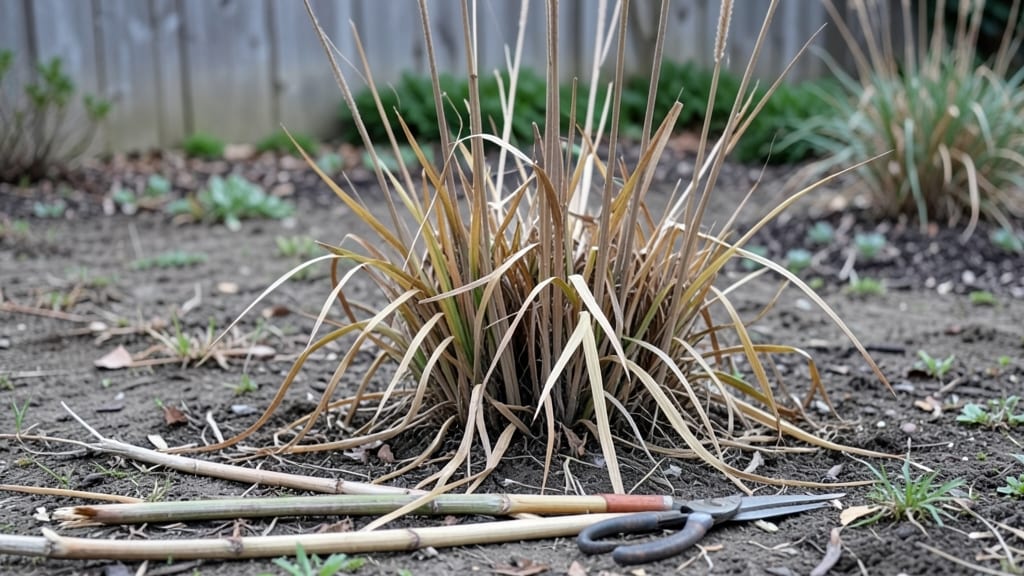
Cutting back decorative grasses in late winter reveals their hidden structure and sets them up for a fresh, neat spring growth—I’ve transformed my overgrown ornamental grasses from tangled messes into showstopping focal points with just a sharp pair of scissors and 20 minutes.
The key is timing: wait until the first signs of new growth appear, usually after the worst winter freeze has passed but before the plant starts pushing too hard. This simple step keeps your grasses looking intentional, not neglected, all year long.
You’ll need clean, sharp pruners or shears—dull blades tear the foliage—and a clear day to work. Most grasses can be cut back by one-third to one-half, but never more than that unless they’re truly leggy.
For clumping types like maiden grass, trim the oldest growth at the base, while fountain grasses benefit from a light thinning to open up their centers. The cuttings make great mulch or can be composted—just avoid piling them near the base, where they’ll smother new shoots.
What you’ll end up with is a crisp, sculptural look that makes your garden feel intentional and well-cared-for. The fresh growth emerges with a bright, almost neon-green hue, and the plant’s natural shape becomes more defined.
If you’ve ever stared at a grass that’s lost its form, this method will give it a second chance—no more hiding it behind perennials or pretending it’s "just fine."
Works for all ornamental grasses, from feathery fountain grasses to bold switchgrass, and adapts to different climates. The only rule? Never cut back in fall—wait until spring to avoid damaging the plant’s winter protection. Once you try this, you’ll wonder why you didn’t do it sooner.
📚 In This Guide
- What you need
- Instructions
- Tips and common mistakes
- Wrapping up and next steps
What you need
- ● Sharp pruning shears or hedge clippers – Look for bypass-style blades (not anvil) for clean cuts. Specs: 6-8" blades for medium grasses, 10-12" for larger varieties.
- ● Hand pruners or loppers – For thicker stems (e.g., Miscanthus or Pennisetum). Specs: 6-8" bypass pruners with ergonomic grips.
- ● Heavy-duty gloves – Garden-grade with cut-resistant palms (e.g., Mechanix or Tough Outdoors). Quantity: 1 pair.
- ○ Pruning saw (optional but helpful) – For extremely thick stems (e.g., Giant Reed). Specs: 8-10" curved blade.
- ● Ladder or step stool – If grasses exceed 4-5 feet tall. Specs: Sturdy, non-slip (e.g., Little Giant folding ladder).
- ● Garden twine or burlap – To tie up or mark sections for even cuts. Quantity: 1 small roll.
- ● Rake or leaf blower – For cleanup. Specs: Medium-sized garden rake or 200-300 CFM leaf blower.
- ● Safety first! Wear closed-toe shoes and eye protection (safety glasses).
- ● Check the weather – Prune on a dry, calm day (avoid wind or rain).
- ● Identify dead growth – Snap a stem to check for hollow or mushy centers (dead = brown; live = green).
- ● Clear the area – Remove rocks, toys, or debris from a 3-foot radius around grasses.
- ● Disinfectant spray (70% isopropyl alcohol) – To clean tools between cuts and prevent disease.
- ● String line or chalk – For guiding straight cuts on formal hedges.
- ● Compost bin or bag – To collect clippings for mulch (if grasses are disease-free).
- ● Camera or phone – Snap before/after pics to track progress!
Step-by-step instructions for pruning ornamental grasses
Here's how to keep your grasses looking sharp all year without sacrificing next season's growth.
Time Your Cut Based on Grass Type and Season
Most ornamental grasses thrive when pruned in late winter or early spring, just as new growth begins. Look for tender green shoots emerging from the base—this is your signal to act. For warm-season grasses like maiden grass or fountain grass, wait until mid-spring after the first flush of growth appears. Never cut back in fall unless your grasses have died completely, as this removes winter insulation.
If you're pruning in summer for shape, do it after flowering when the seed heads have matured. This prevents energy loss for next year's growth. I always check the grass's natural growth cycle first—some varieties like little bluestem benefit from a light trim in summer to encourage bushier habits.
Use the Right Tools for Clean Cuts
Sharp bypass pruners or hedge shears are essential for clean cuts that won't tear the grass blades. Dull blades crush stems, creating jagged edges that invite disease. Test your tools by making a clean cut through a few blades—if they tear or mash, sharpen them first. Avoid string trimmers for ornamental grasses, as they shred the foliage and leave uneven cuts.
For larger clumps, a serrated pruning knife works well. Hold the blade at a 45-degree angle and cut just above the lowest node where new growth emerges. This ensures the grass regrows from a strong point rather than a weak stub. I like to work in sections, moving systematically from the outer edges inward to avoid missing spots.
Cut to the Right Height for Each Grass Type
Never cut into the old growth or crown of the grass, as this can kill the plant. For most ornamental grasses, aim to cut back to about 3-4 inches above the ground, but adjust based on the variety. Feather reed grass, for example, benefits from being cut back to 2-3 inches, while switchgrass can handle a taller trim of 6 inches. Always leave some of the old foliage intact—it provides winter protection and insulation.
Watch for the lowest set of healthy leaves or the base of the grass clump. If you see a brown, dry center, this is a sign of dead growth that can be removed. For grasses with persistent seed heads, like miscanthus, I leave them until spring to add winter interest, then trim them down at the same time. This two-step process keeps the garden looking intentional year-round.
Clean Up Debris and Inspect for Damage
After pruning, gather all the clippings and remove them from the area to prevent disease or pest buildup. Wet clippings can harbor fungi, so I like to spread them out on a tarp to dry for a few days before composting. Inspect the grass bases for yellowing leaves, mold, or chewed edges—these are signs of stress or infestation. If you spot any issues, treat with a fungicide or insecticide as needed before new growth begins.
This is also the perfect time to divide overgrown clumps if needed. Simply dig up the grass, separate the roots, and replant the divisions. I find that pruning and dividing in the same season gives the grass a fresh start for the growing season ahead. Water the area lightly after cleanup to help the grass recover and establish new roots.
Tips & tricks for perfectly pruned ornamental grasses
Here's what I've learned after years of perfecting the art of grass pruning—these details make all the difference between a quick trim and a professional-looking garden.
Seasonal Timing is Everything: The late winter to early spring window is critical because you're cutting back just as new growth emerges. I've seen many gardeners make the mistake of pruning too early when the grass is still dormant, which can actually harm the plant. For warm-season grasses like maiden grass, wait until you see those first tender green shoots—this is your green light to prune. If you're shaping grasses in summer, always wait until after flowering to avoid sapping the plant's energy for next season's growth.
Tool Precision Prevents Damage: Using the wrong tool can turn a simple pruning job into a disaster. I've ruined several grasses by using dull shears that crushed the stems instead of making clean cuts. Always test your tools first—make a few practice cuts on a few blades. If they tear or mash, sharpen them immediately. For larger clumps, a serrated pruning knife held at a 45-degree angle gives you the most control. I find working in sections from the outside in helps me maintain consistent height and avoid missing spots.
Height Matters More Than You Think: Cutting to the right height varies dramatically between grass types, and getting this wrong can mean the difference between a thriving plant and a struggling one. Feather reed grass needs to be trimmed to just 2-3 inches, while switchgrass can handle a more generous 6-inch cut. The key is to never cut into the old growth or crown—this is where the plant's energy reserves are stored. Always look for the lowest set of healthy leaves or the base of the clump as your guide. For grasses with persistent seed heads like miscanthus, I recommend a two-step process: leave them for winter interest, then trim them down in spring.
Cleanup is Part of the Process: After pruning, the cleanup step is just as important as the cutting itself. Wet clippings left on the ground can harbor fungi, so I always spread them out on a tarp to dry for a couple of days before composting. This simple step has prevented several fungal issues in my garden over the years. While you're cleaning up, take a moment to inspect the grass bases for any signs of stress—yellowing leaves, mold, or chewed edges are all red flags that need addressing before new growth begins.
Pro Tips for Cut Back Decorative Grasses
- Here's what I've learned after years of perfecting the art of grass pruning—these details make all the difference between a quick trim and a professional-looking garden.
- Seasonal Timing is Everything: The late winter to early spring window is critical because you're cutting back just as new growth emerges.
- Tool Precision Prevents Damage: Using the wrong tool can turn a simple pruning job into a disaster.
Frequently asked questions
Got questions about cutting back decorative grasses?
Here are answers to the most common ones—so you can keep your yard looking sharp all year long!
When is the best time to cut back ornamental grasses?
The ideal time depends on your climate and grass type. In warmer zones, trim back dead foliage in late winter or early spring before new growth appears. In colder regions, wait until late winter or early spring when frost has passed. Never cut in fall—this removes winter interest and insulation for roots!
Should I cut back grasses in winter?
Only if they’re completely dead or frost-damaged. Otherwise, leave them for winter texture and wildlife benefits (birds love the seed heads!). If you must trim, do it after a hard frost but before spring growth starts. Pro tip: Use a string trimmer for thick clumps to avoid tearing.
How short should I cut back decorative grasses?
Cut back to 3–6 inches tall (or about one-third of the plant’s height). This encourages fresh growth while keeping the plant healthy. Avoid cutting into woody bases—this can harm the crown. For clumping grasses, trim to the outer edges for a natural look.
Can I cut back grasses in fall instead of spring?
Not recommended! Cutting in fall removes winter interest and protection for roots. However, if your grasses are overgrown or diseased, you can lightly trim (but leave most of the foliage). Alternative: Tie back tall grasses with twine for a tidy look without full pruning.
What if my grasses don’t regrow after cutting?
Don’t panic! Some grasses (like Miscanthus or Pennisetum) may take time to bounce back. Check for healthy green shoots at the base—if none appear by late spring, the plant may be dead or over-pruned. Try watering deeply and fertilizing lightly to encourage regrowth.
What’s the easiest way to clean up grass clippings?
Use a leaf blower or shop vac for quick cleanup—especially for fine-textured grasses like Muhlenbergia. For tough clumps, rake or bag debris and compost it (unless diseased). Bonus tip: Wear gloves—some grasses (like Andropogon) can be sharp!
Wrapping up and next steps
Cutting back decorative grasses isn’t just about tidying up—it’s your secret weapon for year-round beauty and plant health! With the right tools and timing, you’ll keep your yard looking sharp while encouraging lush, vibrant regrowth.
Whether you’re a seasoned gardener or just starting out, this simple trick makes maintenance effortless and rewarding.
Ready to transform your outdoor space? Grab those sharp scissors and get pruning—your grasses (and future self) will thank you! 🌿✂️
- Next step: Mark your calendar for late winter or early spring—perfect for a fresh start!
- Pro tip: Snap a before-and-after photo to track your progress and inspire others!