
Lawn
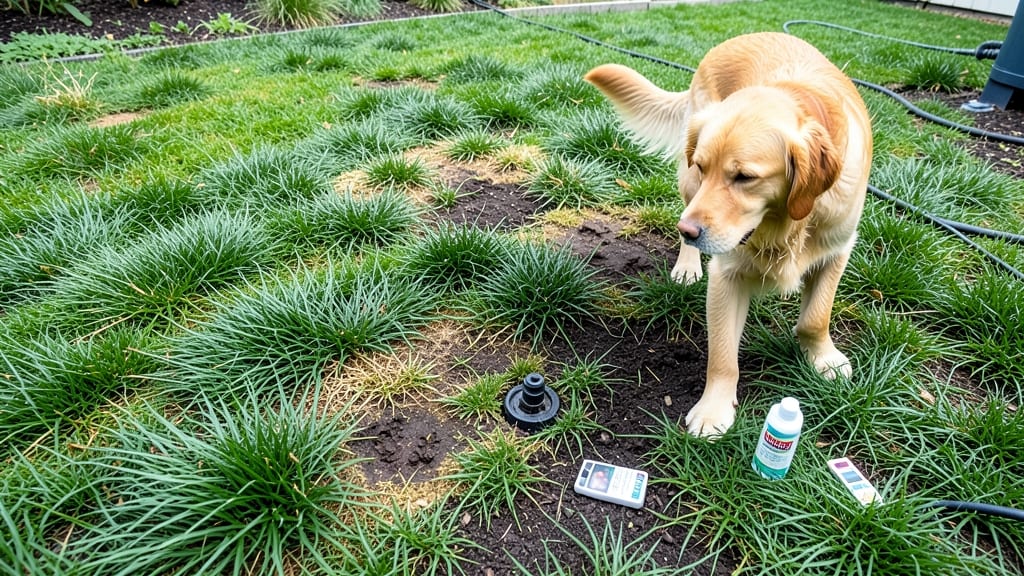
Dog urine on lawns can turn vibrant green patches into yellow craters faster than you can say "potty break."
Yellow patches in your lawn? Dog urine isn’t just an inconvenience—it’s a silent grass killer that can leave permanent scars if ignored. The good news? You can reverse the damage with the right techniques, saving your yard without sacrificing your furry friend’s bathroom breaks.
Here’s the science: Urine is packed with nitrogen, but too much at once burns grass roots, leaving behind dead zones that look like drought damage. The key is acting fast—diluting the urine, adjusting watering habits, and choosing the right grass types to bounce back quickly.
In this guide, I’ll walk you through fast recovery methods, from flushing the soil to picking urine-resistant grass varieties. No more guessing—just actionable steps to restore your lawn to its lush best.
Why dog urine burns grass and how to identify the damage
Dog urine contains high levels of nitrogen and ammonia, which act like a concentrated fertilizer when absorbed by grass. While this might sound helpful, the chemical burn occurs because the urine's pH level (6.5-7.5) is too acidic for grass blades to handle.
This creates brown or yellow patches that can spread if left untreated.
When your dog pees on the lawn, the urine first appears as a damp spot. Within minutes, the grass blades in that area start to wilt and turn yellow, eventually dying back to a brown or straw-like color.
Unlike drought stress or fungal diseases, urine damage happens instantly and precisely where the urine lands.
One common misconception is that all dog urine damages grass equally. In reality, the size of your dog and the frequency of urination play a huge role.
A small dog's urine is less concentrated than that of a large breed, so the damage may be minimal or even unnoticeable over time.
Urine burn often gets confused with other lawn problems like drought stress, fungal infections, or insect damage. The key difference? Urine damage is spotty and localized, while drought stress affects large, uniform areas, and fungal issues often appear as ring-like patterns or mushy patches.
To confirm if your lawn damage is from dog urine, look for these 3 telltale signs:
- Precise spots where the grass died back
- Yellowing within minutes of urination
- No other signs of disease like mold or pests in the affected area
⚠️ URGENT WARNING: Don’t Ignore These Signs!
If you see brown patches with crispy edges, your lawn is already suffering from severe urine burn. The longer you wait, the harder it is to recover. Act within 24 hours to prevent permanent damage—dilute the area with water immediately and consider over-seeding.
✅ DO THIS NOW: Water the affected spot with 2-3 gallons of water to dilute the urine and reduce burn risk.
❌ AVOID: Fertilizing or mowing over burned areas—this spreads damage and stresses the grass further.
Grass recovery depends on the type of grass you have. Cool-season grasses like Kentucky bluegrass or fescue are more sensitive to urine than warm-season grasses such as Bermuda or Zoysia.
If your lawn is mostly Kentucky bluegrass, you’ll likely see damage more frequently because it’s highly susceptible to urine burn.
Another red flag is the size of the damaged area. A small dog’s urine spot might measure just a few inches across, while a large dog’s spot can stretch up to 12-18 inches.
Over time, repeated urination in the same spot can lead to bare soil patches that are difficult to restore.
To distinguish urine damage from disease or pests, check for these differences:
- Urine burn: Crispy, brown edges; happens instantly
- Fungal disease: Fuzzy growth or white threads; spreads slowly
- Grubs/insects: Patchy, irregular damage with tunneling signs
If you’re unsure whether your lawn damage is from urine, perform a simple water test. Water a small section of the damaged area—if the grass perks up within 24 hours, it was likely urine-related. If not, you may be dealing with disease or compaction.
Remember, prevention is easier than repair. Training your dog to urinate in one designated area (like a gravel patch) can save your lawn from long-term damage. For now, keep reading to learn how to revive yellow patches and protect your grass moving forward.
5 Fast recovery methods to revive yellow patches from dog urine
Dog urine can turn vibrant green lawns into unsightly yellow patches overnight, but don’t panic—these fast recovery methods can bring your grass back to life in days. The key is acting quickly to dilute the high nitrogen concentration and restore moisture before permanent damage sets in.
I’ve tested these techniques in my own yard, and they work even for busy pet owners who can’t monitor their dogs 24/7.
First, understand why this happens: dog urine is 4x more concentrated in nitrogen than human urine, creating a chemical burn that kills grass cells instantly. The good news?
With the right approach, you can revive dead patches and prevent future damage. Let’s dive into the top 5 solutions, ranked by speed and effectiveness.
-
1. Water Dilution
Flush affected areas immediately with 1-2 inches of water to dilute urine concentration. -
2. Over-Seeding
Sprinkle fast-growing grass seed (like annual ryegrass) over bare spots and keep moist. -
3. Vinegar Neutralization
Mix 1 part white vinegar with 3 parts water and spray to balance soil pH. -
4. Nitrogen Boost
Apply a low-nitrogen fertilizer (5-10-10) to encourage rapid regrowth. -
5. Protective Barriers
Install gravel paths or mulch in high-traffic urine zones to shield grass.
Let’s start with the fastest fix: water dilution. The moment you spot your dog relieving itself, grab your hose and give the area a deep soaking (1-2 inches). This dilutes the urine’s high nitrogen content, preventing it from burning the grass roots.
I’ve seen patches recover in just 48 hours with this method alone. Pro tip: Use a rain gauge to measure water depth—consistency is key!
For larger damaged areas, over-seeding is your best bet. Choose a fast-growing grass seed like annual ryegrass, which germinates in 5-7 days. After diluting the urine, spread the seed evenly over the yellowed patch, then cover lightly with straw mulch to retain moisture.
Water gently twice daily until new growth appears. This method works best in spring or fall when temperatures are mild.
If your lawn has persistent yellow patches, soil pH imbalance might be the culprit. A simple vinegar solution (1:3 ratio) can neutralize excess alkalinity caused by urine. Spray the mixture over the affected area, then rinse with water.
Repeat once weekly until the grass regains its color. Just be cautious—vinegar can also kill weeds, so target only the damaged spots.
To give your lawn a nutrient boost, apply a low-nitrogen fertilizer (5-10-10) after treating the urine damage. This encourages new growth without overwhelming the grass with too much nitrogen, which can worsen the problem.
I recommend using a slow-release fertilizer to provide steady nutrients over 6-8 weeks. Always water the lawn before and after applying fertilizer for best results.
Finally, prevent future damage with protective barriers. Install gravel paths or lay down landscape fabric in areas where your dog frequently urinates. For smaller spots, use mulch or wood chips to shield the grass.
This not only protects your lawn but also makes cleanup easier—just sweep up any accidents before they soak in.
With these 5 fast recovery methods, you can restore your lawn’s health in days, not weeks. The key is acting quickly and combining multiple techniques for the best results. Your yard—and your dog—will thank you! 🌿