I’ve always had a green thumb—my earliest memories are of sneaking seeds from my grandma’s garden to plant in the dirt behind our house. Now, I run *Lawn Daily* to share the joy of growing things, whether it’s coaxing tomatoes from stubborn seedlings or turning a patch of weeds into a thriving herb bed. My approach? No jargon, just real advice from someone who’s gotten dirt under their nails more times than they can count.
💥 Quick Answer To fertilize your lawn at the best times, apply in early spring (March–April) for cool-season grasses, late spring (May–June) for warm-season grasses, and fall (September–October) for a strong root…
💥 Quick Answer To fertilize new fescue grass, start 4-6 weeks after seeding with a light application of starter fertilizer (high in phosphorus) to encourage root development. Follow up with nitrogen-focused fertilizer…
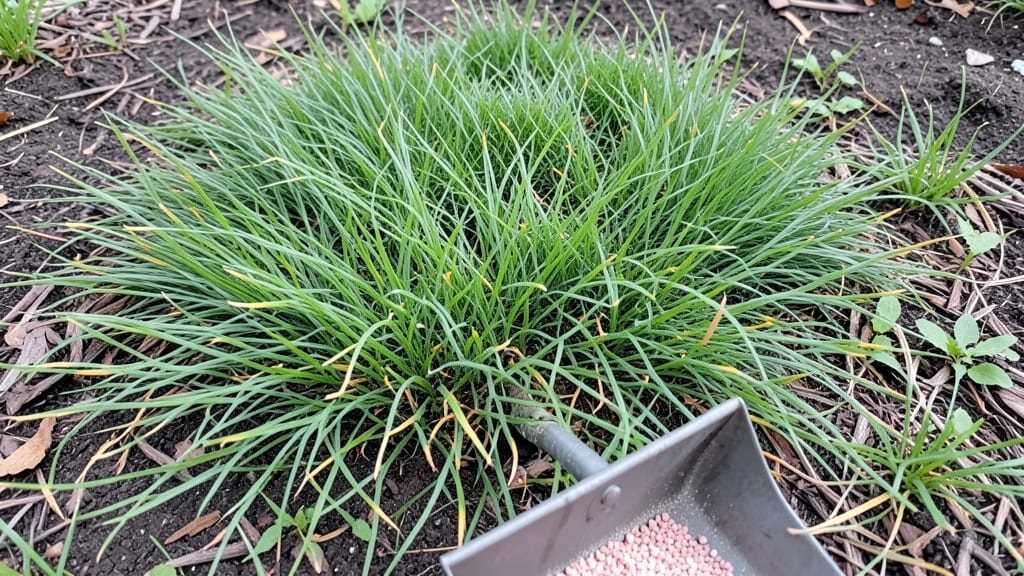
💥 Quick Answer To fertilize new grass seed, wait 4-6 weeks after germination when soil temperatures stay above 60°F (15°C) and seedlings reach 2-3 inches tall. Use a starter fertilizer with low nitrogen (5-10-10 ratio)…
💥 Quick Answer To fertilize new grass seedlings, wait 4-6 weeks after germination when roots are established but before rapid top growth begins. Use a low-nitrogen starter fertilizer (10-20-10 ratio) to avoid burning…
Fertilizing your new lawn at the wrong time can leave you with stunted growth or wasted money — but getting the timing right is the difference between a lush 🌱 lawn grass and a patchy disappointment. Most homeowners…
💥 Quick Answer To fertilize new St. Augustine sod, wait 4-6 weeks after installation and use a slow-release, low-nitrogen fertilizer (like 10-10-10) to protect tender roots. Follow up every 6-8 weeks during spring…
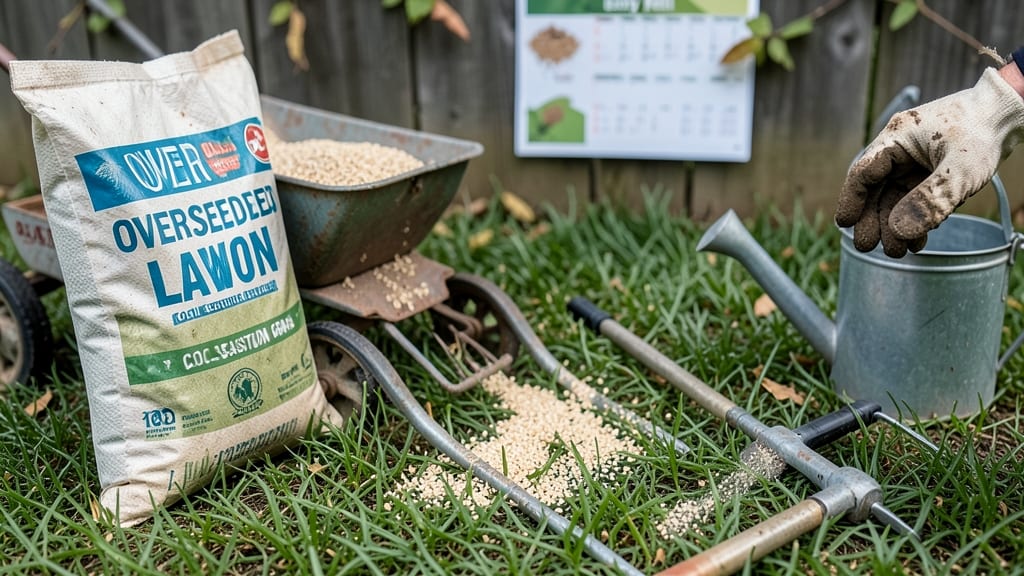
💥 Quick Answer To fertilize an overseeded lawn, wait 6-8 weeks after seeding when new grass shows active growth. Cool-season grasses thrive with fall applications, while warm-season grasses need spring or early summer…
💥 Quick Answer To fertilize rye grass, aim for early fall and late winter when it's most actively growing. These timing windows align with its cool-season growth cycle, while soil tests showing low phosphorus or…
To fertilize your lawn at the right time means catching it when it’s actively growing —not when it’s dormant or stressed. A lush, green lawn isn’t just about luck—it’s about timing. Fertilizing at the wrong season can…
💥 Quick Answer To fertilize your lawn at the best times, schedule applications in early spring and late fall for cool-season grasses or late spring and early summer for warm-season grasses, while testing soil every 2-3…